
How Proper Insulation Can Lower Your Energy Bills Year-Round?
December 24, 2025
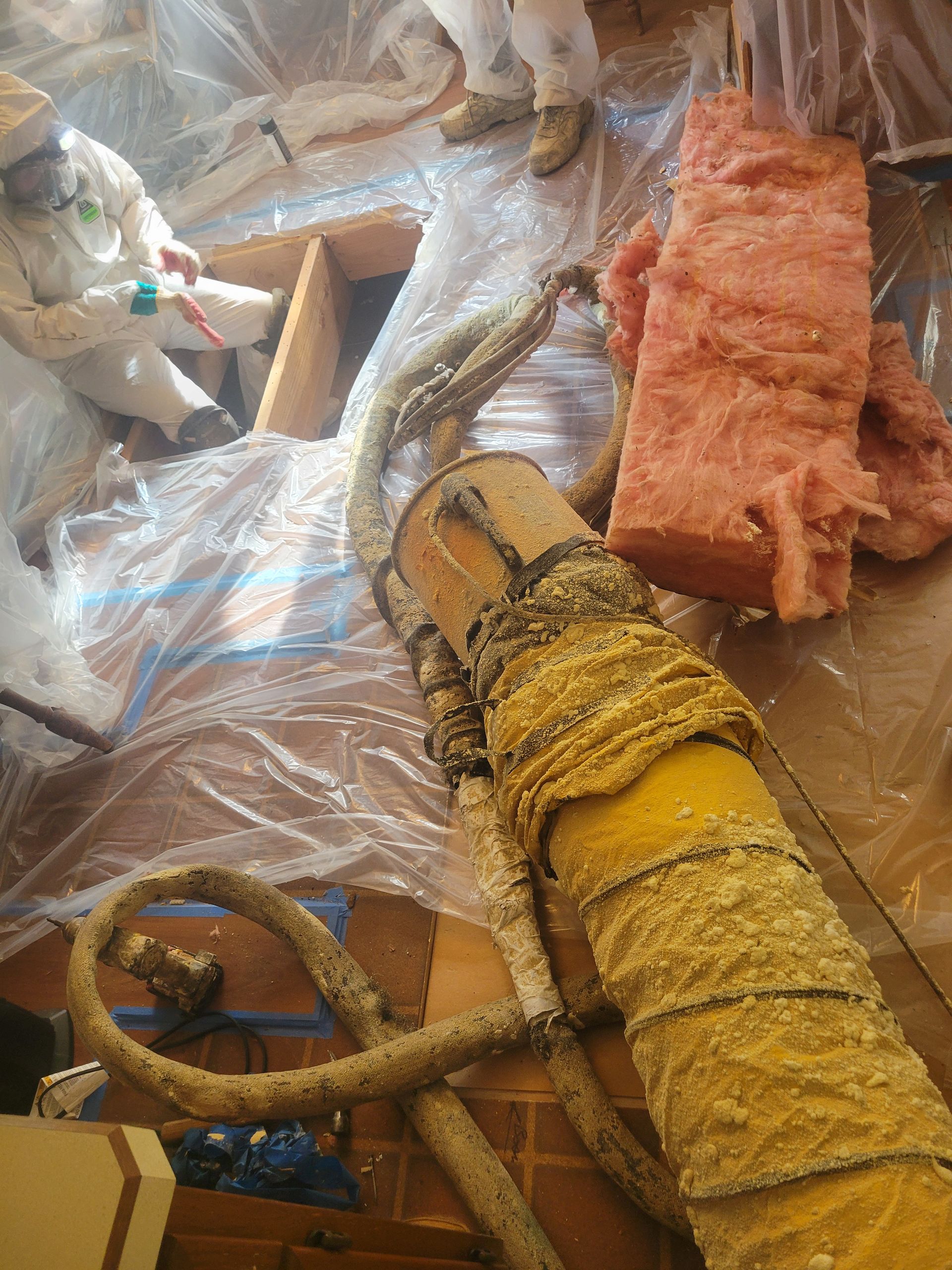
Energy efficiency has become an essential consideration for homeowners and businesses alike. With rising utility costs and increasing awareness of environmental sustainability, finding ways to reduce energy consumption has never been more critical. One of the most effective methods to achieve this is proper insulation. By controlling the flow of heat in and out of a building, insulation plays a pivotal role in maintaining comfortable indoor temperatures while reducing reliance on heating and cooling systems. This translates directly into lower energy bills and a reduced carbon footprint, making it both an economically and environmentally sound investment.
Proper insulation is not just about layering materials within walls or attics—it is a strategic approach to energy management. Inadequate or outdated insulation can lead to energy loss, drafts, and uneven temperatures, forcing heating and cooling systems to work harder and consume more energy. Conversely, high-quality insulation, installed correctly, provides a continuous thermal barrier that stabilizes indoor climates throughout the year. This blog explores the ways insulation impacts energy efficiency, examines different types of insulation, and offers practical tips for homeowners seeking to optimize energy savings, ensuring long-term comfort and financial benefits.
Understanding How Insulation Affects Energy Bills
What Insulation Does
Insulation functions as a barrier to heat transfer, slowing the movement of warmth in winter and keeping excessive heat out during summer. Without proper insulation, energy escapes easily through walls, ceilings, floors, and even doors and windows. This forces HVAC systems to operate longer, consuming more electricity or fuel, which directly increases utility costs. By maintaining a consistent indoor temperature, insulation reduces strain on these systems, resulting in lower energy bills.
R-Value and Its Significance
The effectiveness of insulation is measured using the R-value, which indicates its resistance to heat flow. The higher the R-value, the better the insulation can prevent heat transfer. Different areas of a building require different R-values based on local climate, building design, and energy efficiency goals. For instance, attics typically require higher R-values than walls because heat rises, making the ceiling one of the main points of energy loss.
Real-World Scenario
Consider a home in a region with cold winters. Without proper attic insulation, heated air rises and escapes, causing the furnace to run more frequently. Properly installed insulation in the attic can retain warmth, reducing heating cycles and lowering monthly bills. Similarly, during hot summers, insulation prevents outdoor heat from infiltrating living spaces, reducing reliance on air conditioning and preventing spikes in electricity usage.
Types of Insulation and Their Impact on Energy Efficiency
Fiberglass Insulation
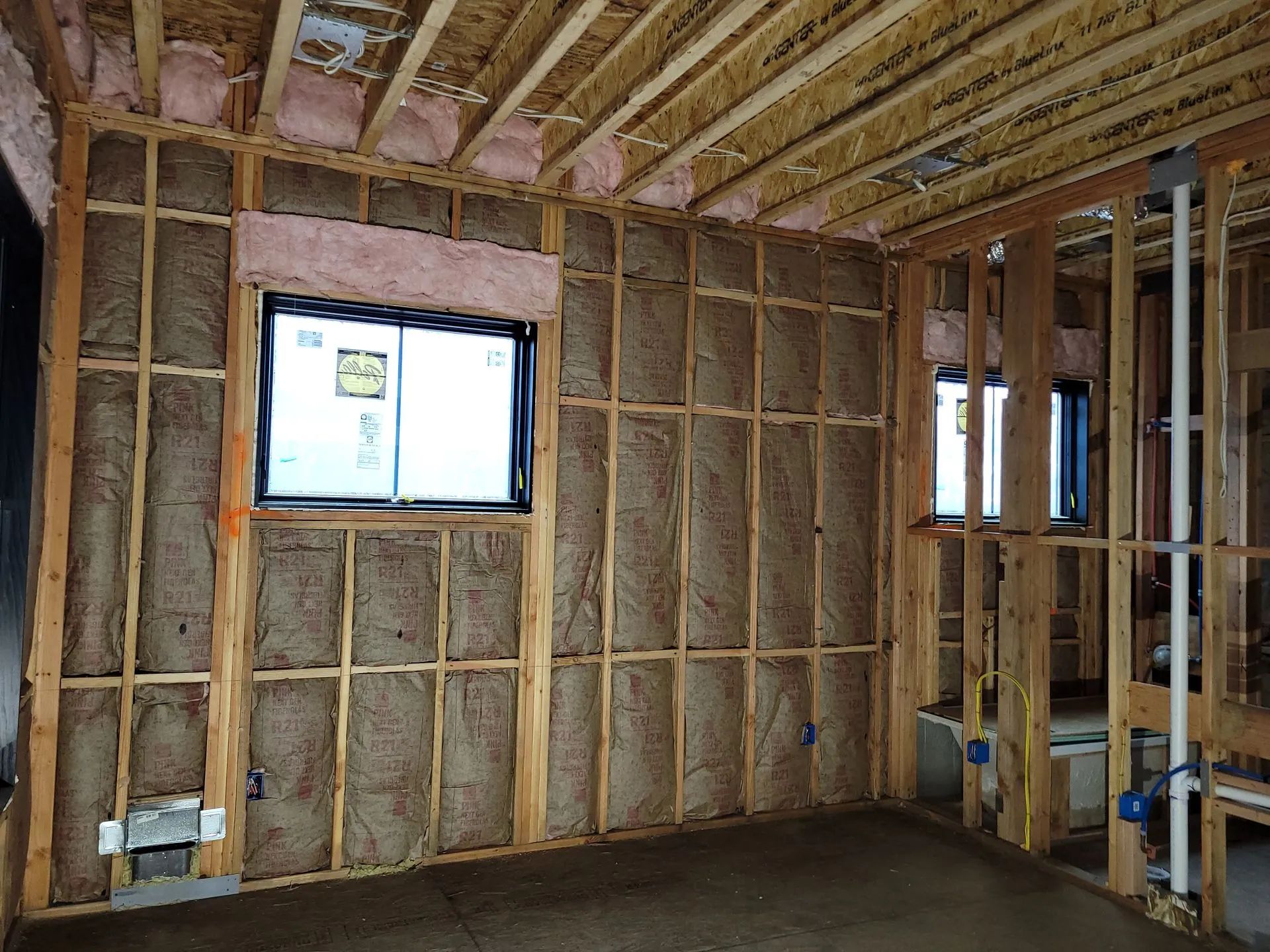
Fiberglass is one of the most common insulation types due to its affordability and versatility. It is available in batts, rolls, or loose-fill forms. When installed correctly, fiberglass effectively slows heat transfer and can be used in walls, ceilings, and attics. Its fire-resistant properties and ability to reduce noise make it a popular choice for both residential and commercial buildings.
Spray Foam Insulation
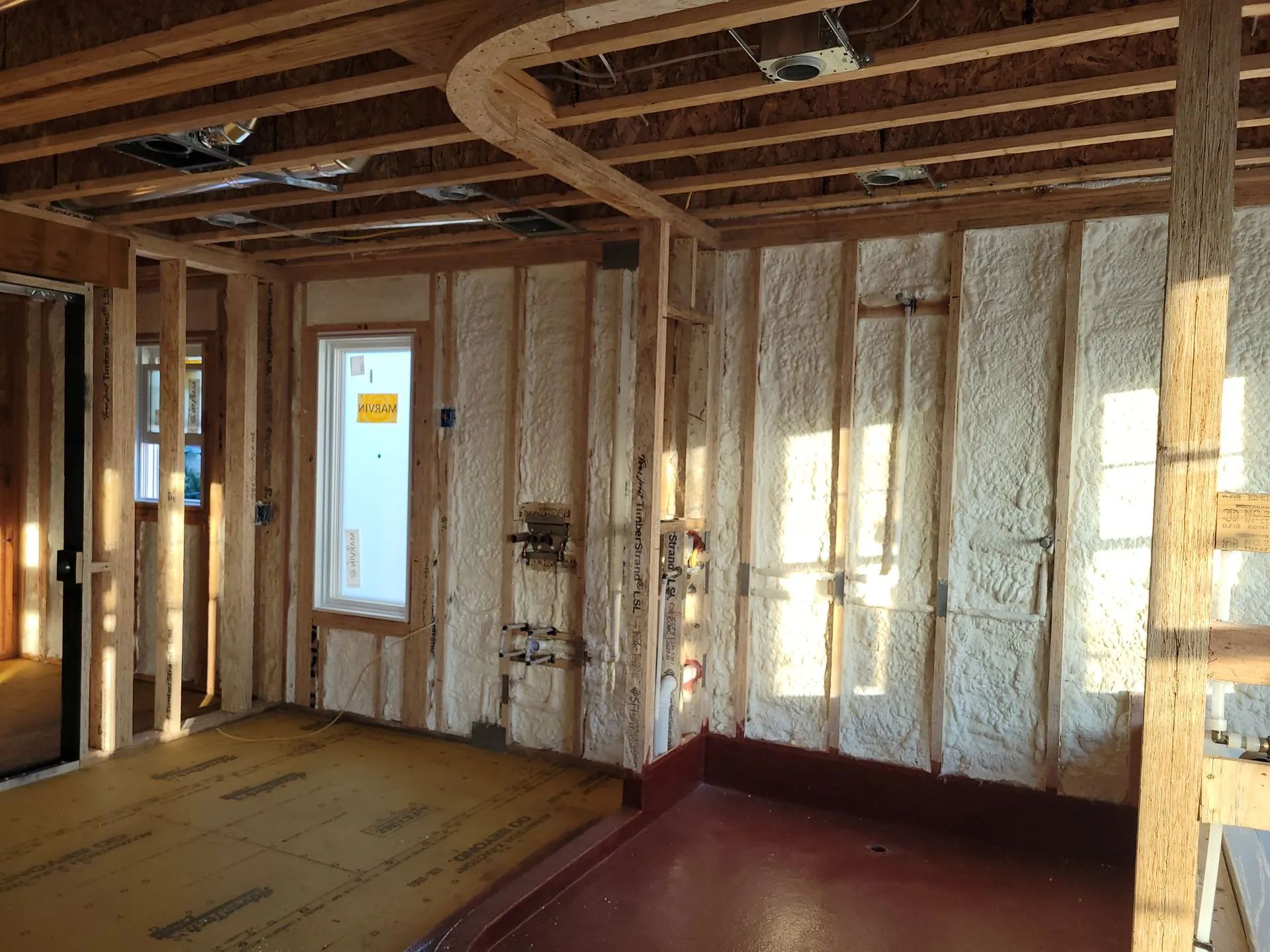
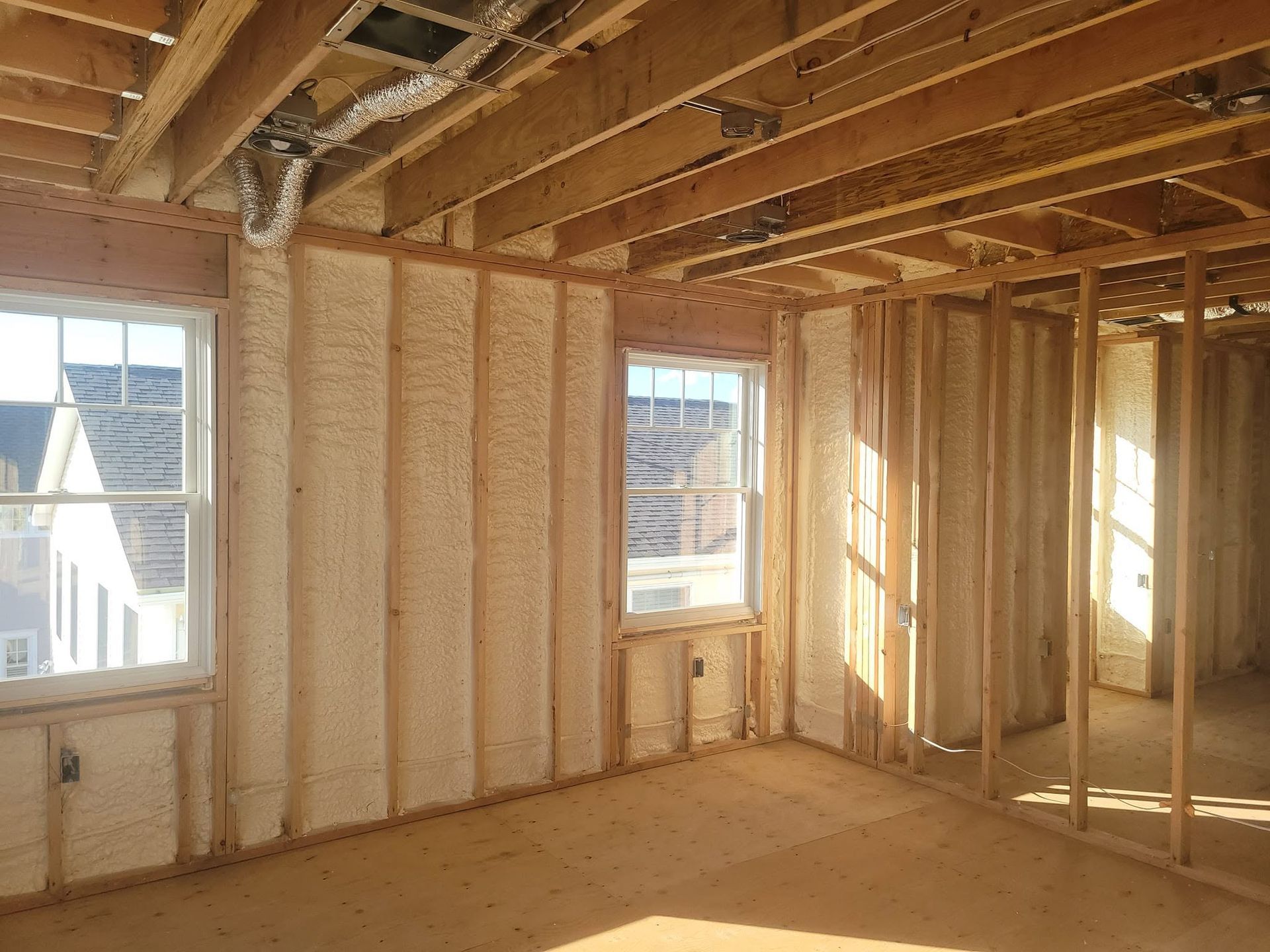
Spray foam insulation provides a higher R-value per inch compared to traditional materials. It expands to fill gaps, cracks, and irregular spaces, creating an airtight seal. This reduces air leakage, which is a significant contributor to energy loss. Although spray foam has a higher initial cost, the energy savings over time often outweigh the upfront investment.
Cellulose Insulation
Made from recycled paper products treated with fire retardants, cellulose insulation is eco-friendly and effective at preventing heat transfer. It is typically installed as loose-fill in attics and wall cavities. Cellulose can settle over time, so professional installation ensures consistent density, maximizing energy efficiency and reducing air infiltration.
Practical Example
A homeowner replacing old fiberglass with spray foam in the basement can experience a noticeable drop in energy bills. Spray foam seals small cracks and gaps, preventing cold air from entering during winter and keeping warm air inside. This improves overall comfort while significantly reducing heating expenses.
Common Areas Where Insulation Can Improve Energy Savings
Attics and Roofs
The attic is often the primary source of energy loss in a building. Heat naturally rises, and without adequate insulation, a significant amount of energy escapes through the roof. Proper attic insulation maintains temperature consistency, reducing heating and cooling demands throughout the year.
Walls and Exterior Surfaces
Walls account for a considerable portion of heat transfer. Insulating walls, whether during new construction or retrofit projects, prevents external temperatures from affecting indoor climates. Techniques like blown-in insulation or adding rigid foam panels can substantially improve energy efficiency.
Floors and Basements
Energy loss is not limited to upper areas of a home. Uninsulated floors above crawl spaces or unheated basements can allow cold air to seep into living spaces. Insulating these areas with foam boards or spray foam ensures that conditioned air remains where it’s needed, minimizing energy waste.
Windows and Doors
While technically not insulation in the traditional sense, upgrading windows and doors with energy-efficient models complements insulation efforts. Properly sealed and insulated doors and double-glazed windows reduce drafts, maintaining consistent indoor temperatures and lowering energy bills.
Benefits of Proper Insulation Beyond Energy Savings
Increased Comfort
Proper insulation eliminates drafts and uneven temperatures within a building. Homeowners can enjoy a more stable indoor climate, avoiding hot or cold spots that often lead to discomfort and higher energy consumption.
Reduced Environmental Impact
By lowering energy use, proper insulation reduces greenhouse gas emissions associated with electricity and fuel consumption. This contributes to a smaller carbon footprint, supporting sustainability goals and environmentally responsible living.
Noise Reduction
Insulation materials such as fiberglass and cellulose can also reduce noise transmission, providing a quieter indoor environment. This is particularly beneficial in urban areas or homes near busy roads, enhancing overall quality of life.
Protection Against Moisture and Mold
Some insulation materials, when installed with proper moisture barriers, help prevent condensation and mold growth. This protects the building’s structural integrity and reduces costly maintenance issues over time.
Long-Term Financial Savings
While initial installation costs may vary, energy-efficient insulation pays for itself over the years. Reduced energy bills, increased property value, and fewer maintenance concerns translate to substantial long-term savings for homeowners and businesses.
Best Practices for Installing and Maintaining Insulation
Professional Installation
Proper installation is critical to achieving maximum energy efficiency. Gaps, compression, or uneven coverage can significantly reduce the effectiveness of insulation. Hiring certified professionals ensures correct placement, optimal density, and proper sealing of all vulnerable areas.
Regular Inspections
Insulation performance can degrade over time due to settling, moisture, or pest damage. Periodic inspections identify issues early, allowing for timely repairs or upgrades to maintain energy efficiency.
Upgrading Outdated Insulation
Older homes may have insulation that no longer meets current standards. Upgrading to modern materials with higher R-values or improved thermal properties can provide immediate energy savings. For example, replacing outdated fiberglass with spray foam or cellulose can enhance both comfort and cost efficiency.
Sealing Air Leaks
Even the best insulation can be undermined by air leaks. Sealing gaps around windows, doors, ducts, and pipes complements insulation efforts, ensuring that conditioned air remains indoors and unconditioned air stays out.
Combining Insulation with Energy-Efficient Practices
Maximizing energy savings involves a holistic approach. Combining proper insulation with energy-efficient HVAC systems, programmable thermostats, and energy-conscious habits can create a comprehensive strategy to reduce utility bills year-round.
Challenges and Considerations When Insulating Your Home
Cost vs. Benefit
While insulation is a long-term investment, upfront costs can be a concern. Homeowners should assess the potential energy savings against installation expenses to determine the most cost-effective solution.
Climate-Specific Needs
Insulation requirements vary based on geographic location and climate. Homes in colder regions need higher R-values for attics and walls, whereas homes in hot climates benefit from insulation that reflects heat and prevents solar gain.
Material Selection
Choosing the right insulation material is crucial. Consider factors such as fire resistance, moisture tolerance, environmental impact, and lifespan. Each material has unique properties that influence energy efficiency and overall performance.
Retrofitting Existing Homes
Older homes may present challenges during insulation upgrades due to limited space, structural constraints, or outdated construction methods. Professional assessment and planning can help overcome these obstacles while maximizing energy savings.
Health and Safety
Some insulation materials, such as fiberglass, require careful handling to avoid irritation or respiratory issues. Following manufacturer guidelines and safety protocols ensures safe installation and maintenance.
Maximizing Comfort And Savings Through Effective Insulation
Proper insulation is one of the most effective ways to reduce energy bills and enhance comfort in any building. By understanding how insulation works, selecting the right materials, and ensuring professional installation, homeowners and businesses can achieve consistent indoor temperatures, minimize energy waste, and enjoy long-term financial savings. Insulation goes beyond cost reduction—it improves comfort, protects against moisture and mold, reduces noise, and contributes to a smaller environmental footprint. Effective insulation is an essential component of any energy-efficient building strategy.
At Top to Bottom Insulation, located in Monmouth County, NJ, we bring 15
years of expertise in helping homeowners and businesses maximize energy efficiency through
high-quality insulation solutions. Our team specializes in assessing properties, recommending optimal materials, and providing professional installation to ensure every home and business maintains ideal indoor temperatures year-round. We combine industry knowledge with practical experience, guaranteeing that your insulation investment delivers measurable energy savings, improved comfort, and enhanced property value. Trusted by the community for over a decade, we are dedicated to delivering superior service, attention to detail, and a commitment to sustainability. Whether upgrading existing insulation or installing new systems in construction projects, our experts provide solutions tailored to your specific needs, ensuring long-term efficiency and peace of mind. Choosing Top to Bottom Insulation means partnering with a reliable, experienced authority that prioritizes energy efficiency, cost savings, and customer satisfaction.