
What to Expect During a Spray Foam Insulation Installation?
January 22, 2026
Proper insulation is one of the most crucial components of a well-functioning, energy-efficient home or commercial building. Among the various insulation options available today, spray foam insulation has gained significant attention due to its exceptional thermal performance, air-sealing capabilities, and long-lasting durability. For property owners seeking to reduce energy bills, enhance indoor comfort, and improve overall building efficiency, understanding the spray foam insulation process is essential. Being informed about what to expect during installation ensures a smoother experience and maximizes the benefits of this advanced insulation technology.
Spray foam insulation installation is a specialized process that requires careful preparation, expert knowledge, and adherence to safety standards. Unlike traditional fiberglass or cellulose insulation, spray foam expands to fill gaps, cracks, and hard-to-reach areas, creating a tight, continuous barrier. While the process may seem straightforward, it involves several critical steps, from site preparation and material handling to application techniques and curing. Knowing how professionals approach each stage can help homeowners anticipate the timeline, potential disruptions, and the quality outcomes of the project. This blog provides a comprehensive guide on what to expect during a spray foam insulation installation, highlighting practical insights, industry best practices, and tips for achieving optimal results.
1. Pre-Installation Preparation
Site Assessment and Evaluation
Before any spray foam is applied, a professional installer conducts a thorough assessment of your property. This includes inspecting walls, attics, basements, crawlspaces, and other areas to determine where insulation is most needed. The installer evaluates existing insulation, air leaks, moisture issues, and structural conditions that may affect the foam’s adhesion and performance. This step ensures the correct spray foam type—open-cell or closed-cell—is selected based on the building’s unique requirements and climate considerations.
Addressing Safety Concerns
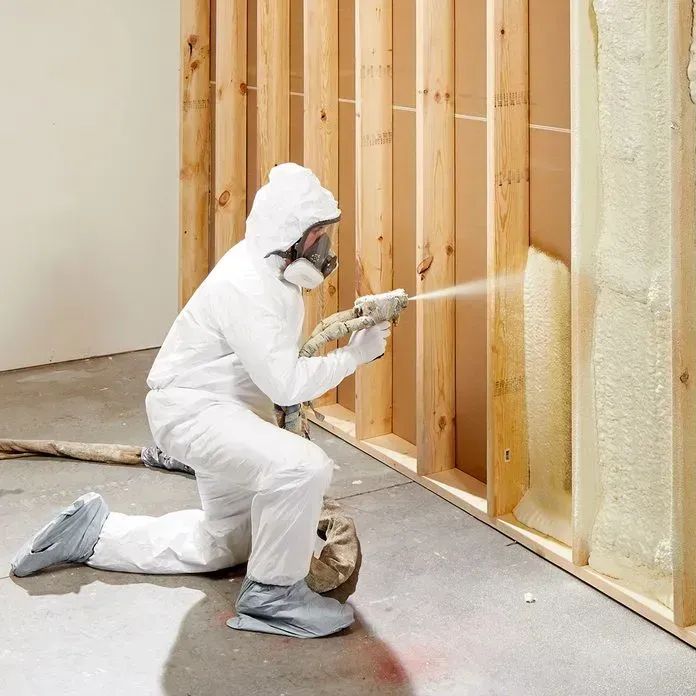
Safety is a top priority during spray foam installation. Professional contractors use personal protective equipment (PPE) such as respirators, gloves, and goggles. Adequate ventilation is established to manage fumes, and any potential fire hazards or electrical wiring considerations are addressed. Pre-installation planning ensures the process is safe for both the installation team and occupants, minimizing risks while maintaining the integrity of the insulation.
Real-World Scenario
Consider a home in a region with cold winters. Without proper attic insulation, heated air rises and escapes, causing the furnace to run more frequently. Properly installed insulation in the attic can retain warmth, reducing heating cycles and lowering monthly bills. Similarly, during hot summers, insulation prevents outdoor heat from infiltrating living spaces, reducing reliance on air conditioning and preventing spikes in electricity usage.
2. Choosing the Right Type of Spray Foam
Open-Cell vs. Closed-Cell Foam
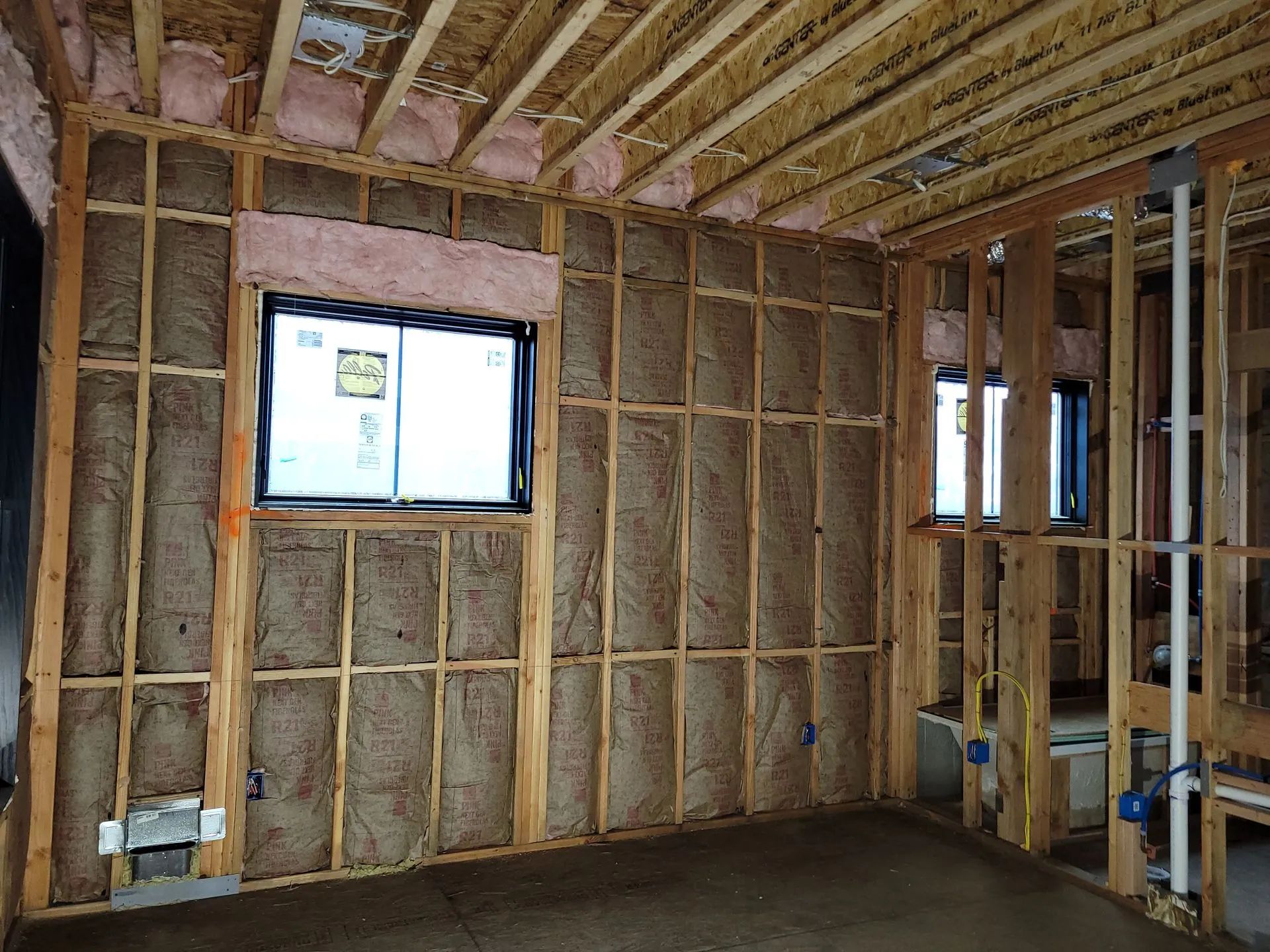
One of the first decisions in a spray foam project is selecting between open-cell and closed-cell foam. Open-cell foam is softer and more flexible, ideal for interior walls and attics where moisture control is less critical. It provides excellent soundproofing and a strong air barrier but has a lower R-value per inch compared to closed-cell foam. Closed-cell foam is denser, rigid, and highly water-resistant, making it suitable for basements, exterior walls, and areas prone to moisture infiltration. Understanding these differences ensures that the insulation performs optimally in its intended location.
Determining Coverage and Thickness
Installers calculate the required coverage based on the building’s square footage, existing insulation, and desired R-value. The thickness of the spray foam layer affects energy efficiency and overall performance. In most residential applications, a typical range is two to three inches for open-cell foam and one to two inches for closed-cell foam, although thicker layers may be applied in attics or walls for enhanced insulation.
Real-World Example
For example, in older homes with uneven wall cavities, open-cell foam may be ideal because it expands to fill irregular gaps. Conversely, in a basement with potential water intrusion, closed-cell foam provides both insulation and moisture resistance. A professional installer evaluates these factors to recommend the most suitable solution, preventing costly mistakes and ensuring long-term benefits.
3. The Installation Process
Mixing and Equipment Setup
Spray foam is composed of two chemical components—typically referred to as “A” and “B”—which react when combined to form the expanding foam. Professional installers use specialized spray equipment to maintain proper temperature, pressure, and mixing ratios. Before application, the equipment is calibrated, and test sprays are conducted to ensure consistency. This technical precision is critical to achieving uniform coverage, avoiding gaps, and preventing foam shrinkage or over-expansion.
Application Techniques
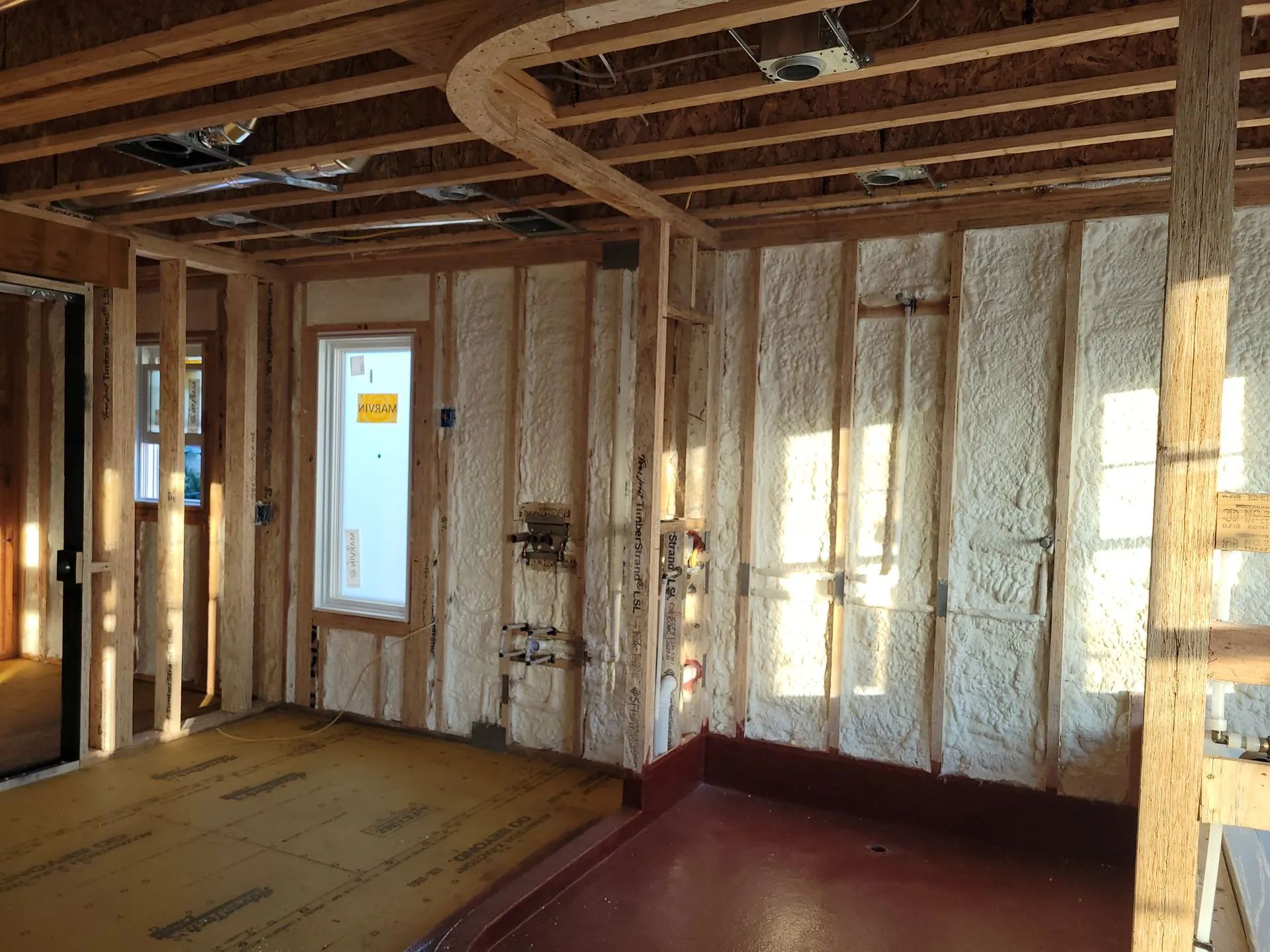
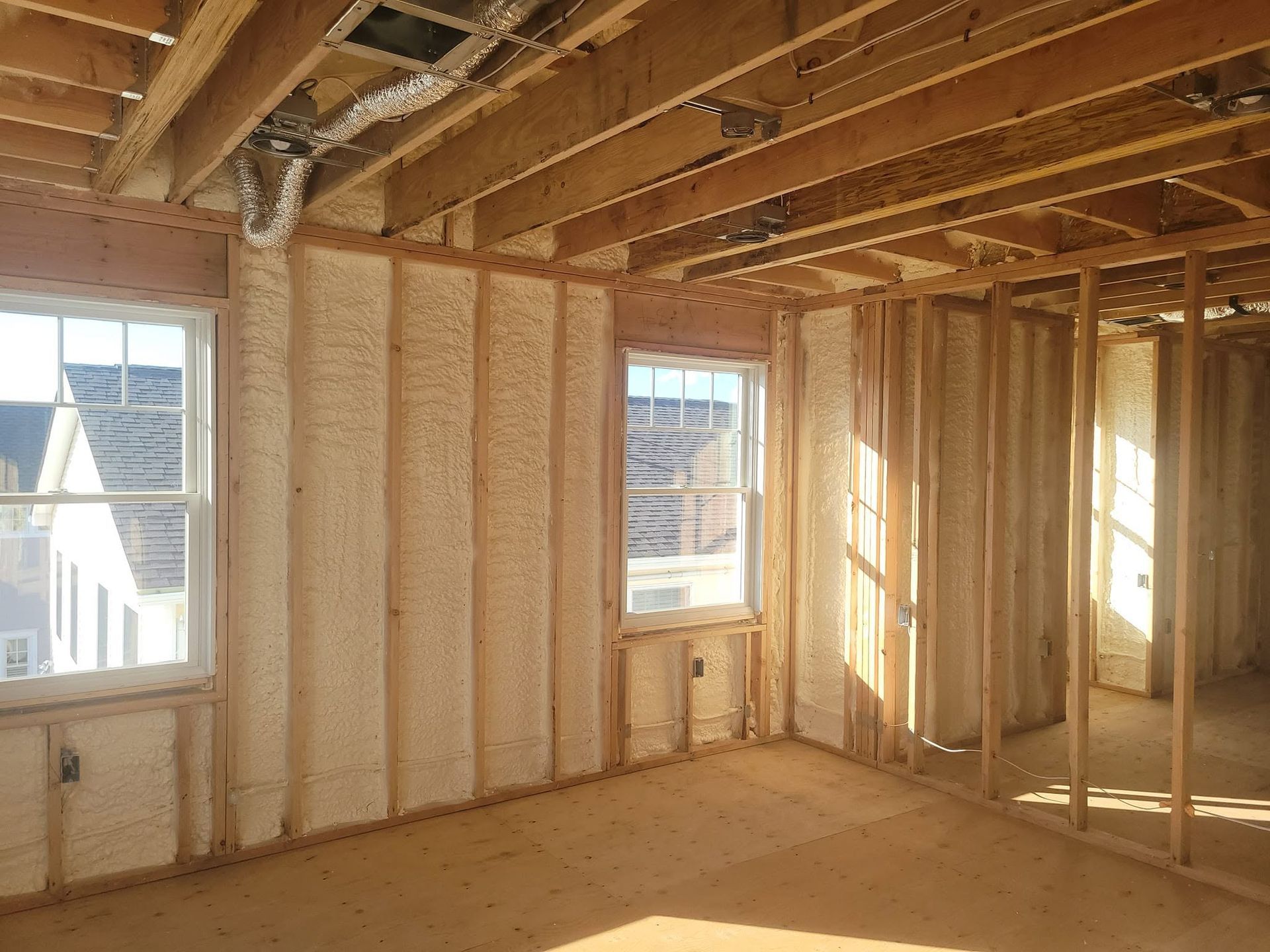
The installer applies the foam in layers, starting from the farthest corner and working systematically toward the exit. Open-cell foam spreads more rapidly, while closed-cell foam requires careful layering to avoid excessive thickness and pressure on structural surfaces. The foam expands immediately upon contact, filling voids and sealing cracks, which creates a continuous air barrier. Installers may use hand tools or trimming equipment to smooth irregular surfaces and ensure the foam conforms to wall studs, joists, or rooflines.
Common Challenges During Application
Spray foam installation is highly effective but comes with potential challenges. Temperature and humidity can affect curing times, leading to uneven expansion if not managed correctly. Obstacles like pipes, wiring, or existing insulation require careful maneuvering to prevent gaps or damage. Experienced installers anticipate these challenges, adjusting techniques and equipment settings in real-time to maintain quality and safety.
4. Curing and Post-Installation Considerations
Allowing Proper Curing Time
Once applied, spray foam requires a curing period to fully expand and harden. Open-cell foam typically cures within a few hours, while closed-cell foam may take 24 hours or longer, depending on thickness and environmental conditions. During this time, it is important to maintain adequate ventilation and avoid disturbing the foam. Curing ensures the insulation achieves its intended R-value and structural properties, which directly impacts energy efficiency and comfort.
Inspection and Quality Assurance
After curing, installers perform a detailed inspection to verify uniform coverage, proper adhesion, and absence of voids or gaps. Any areas that require touch-ups or additional layers are addressed immediately. Quality assurance is a critical step, as improper installation can reduce energy savings, increase air leaks, and compromise the foam’s longevity.
Managing Residual Odors and Ventilation
Some homeowners may notice a mild chemical odor during or shortly after installation. This is normal and typically dissipates within 24–48 hours with proper ventilation. Professional installers ensure that any residual fumes are minimized and advise occupants on safe reentry procedures. Ensuring adequate airflow also prevents moisture accumulation and supports the long-term performance of the insulation.
5. Benefits of Professional Spray Foam Installation
Enhanced Energy Efficiency
Properly installed spray foam creates a continuous barrier that reduces heat loss in winter and heat gain in summer. By minimizing air leakage and insulating hard-to-reach areas, homeowners can experience significant energy savings and lower utility bills year-round.
Improved Indoor Comfort
Spray foam maintains consistent indoor temperatures and reduces drafts, making living spaces more comfortable. It also acts as a sound barrier, absorbing external noise and enhancing the acoustic quality of the home.
Structural Integrity and Moisture Control
Closed-cell spray foam provides additional structural rigidity to walls and roofs. Its water-resistant properties prevent moisture intrusion, reducing the risk of mold, mildew, and damage to building materials. This dual functionality makes spray foam a superior choice for both energy efficiency and long-term building health.
Long-Term Cost Savings
While spray foam may have a higher upfront cost compared to traditional insulation, its durability and energy efficiency lead to long-term savings. Reduced heating and cooling expenses, lower maintenance costs, and extended lifespan of building components make it a worthwhile investment.
6. Tips for Homeowners Before and After Installation
Preparation Tips
- Remove or cover furniture, electronics, and personal items.
- Ensure pets and children are safely away from the work area.
- Discuss ventilation, safety protocols, and reentry timelines with your installer.
Maintenance and Monitoring
- Inspect the insulation periodically for signs of settling, gaps, or moisture.
- Address any leaks or damage promptly to maintain energy efficiency.
- Avoid drilling or nailing into spray foam surfaces without professional guidance to prevent compromising the air barrier.
Maximizing Benefits
- Pair spray foam insulation with energy-efficient windows and doors for optimal performance.
- Maintain proper HVAC system functionality, as spray foam can alter airflow dynamics.
- Consider professional energy audits to evaluate the overall efficiency of your home post-installation.
Important Considerations for Long-Lasting Spray Foam Results
Spray foam insulation offers unmatched energy efficiency, comfort, and protection for residential and commercial properties. By understanding the installation process—from pre-assessment and material selection to application, curing, and post-installation care—homeowners can make informed decisions and ensure successful outcomes. Professional installation is critical, as it guarantees proper application, addresses potential challenges, and maximizes long-term benefits.
Top to Bottom Insulation, serving Monmouth County, NJ, brings 15
years of expertise in spray foam insulation. Our team is committed to delivering precision, safety, and exceptional results for every project. With a proven track record, we help property owners enhance energy efficiency, reduce utility costs, and improve indoor comfort through meticulous installation practices. From the initial consultation to the final inspection, Top to Bottom Insulation
provides a professional, reliable, and customer-focused approach. When you choose our services, you are partnering with a trusted authority dedicated to high-quality insulation solutions and lasting performance.