
How Insulation Enhances Indoor Air Quality and Comfort
July 14, 2026
Quick Answer: Insulation improves indoor air quality and comfort mainly by tightening your home’s envelope so less unfiltered outside air leaks in. When gaps and thin insulation let air pass freely, they also let in pollen, dust, and mold spores, and they invite the humidity that feeds mold growth. Sealing and insulating those weak points cuts the allergens drifting into your living space, controls the moisture that causes condensation and mildew, and evens out the temperature swings between rooms and floors. The result is air that is cleaner and easier to breathe and a home that feels consistently comfortable. Done right by a professional, it is paired with proper ventilation so the tighter home still gets fresh air.
Your allergies are worse inside the house than out, which makes no sense until you think about it. It is a humid August on the Jersey Shore, the upstairs feels stuffy and clammy while the basement smells faintly of mildew, and no matter where you set the thermostat, one room is freezing and another is stifling. You have been treating these as separate annoyances, an allergy problem here, a humidity problem there, a comfort problem somewhere else. They are usually the same problem wearing three different faces, and it lives in your walls and attic.
Most people think of insulation as the thing that lowers the heating bill, and it does. But insulation and air sealing do something a lot of homeowners never connect to it: they shape the air you breathe and how your home feels all day long. A house that leaks air leaks in everything that comes with it, and a house that holds temperature poorly is a house that is uncomfortable and often unhealthy. Here is how
better insulation quietly improves your indoor air quality and your comfort, from the allergens you breathe to the moisture in the walls to the temperature in every room.
Your Home Is Breathing Whether You Want It To or Not
Every house exchanges air with the outside, and the question is only whether that exchange happens on purpose or through a hundred hidden gaps. In a poorly sealed home, air pours in and out through attic bypasses, rim joists, gaps around wiring and plumbing, and thin or missing insulation, all day, every day.
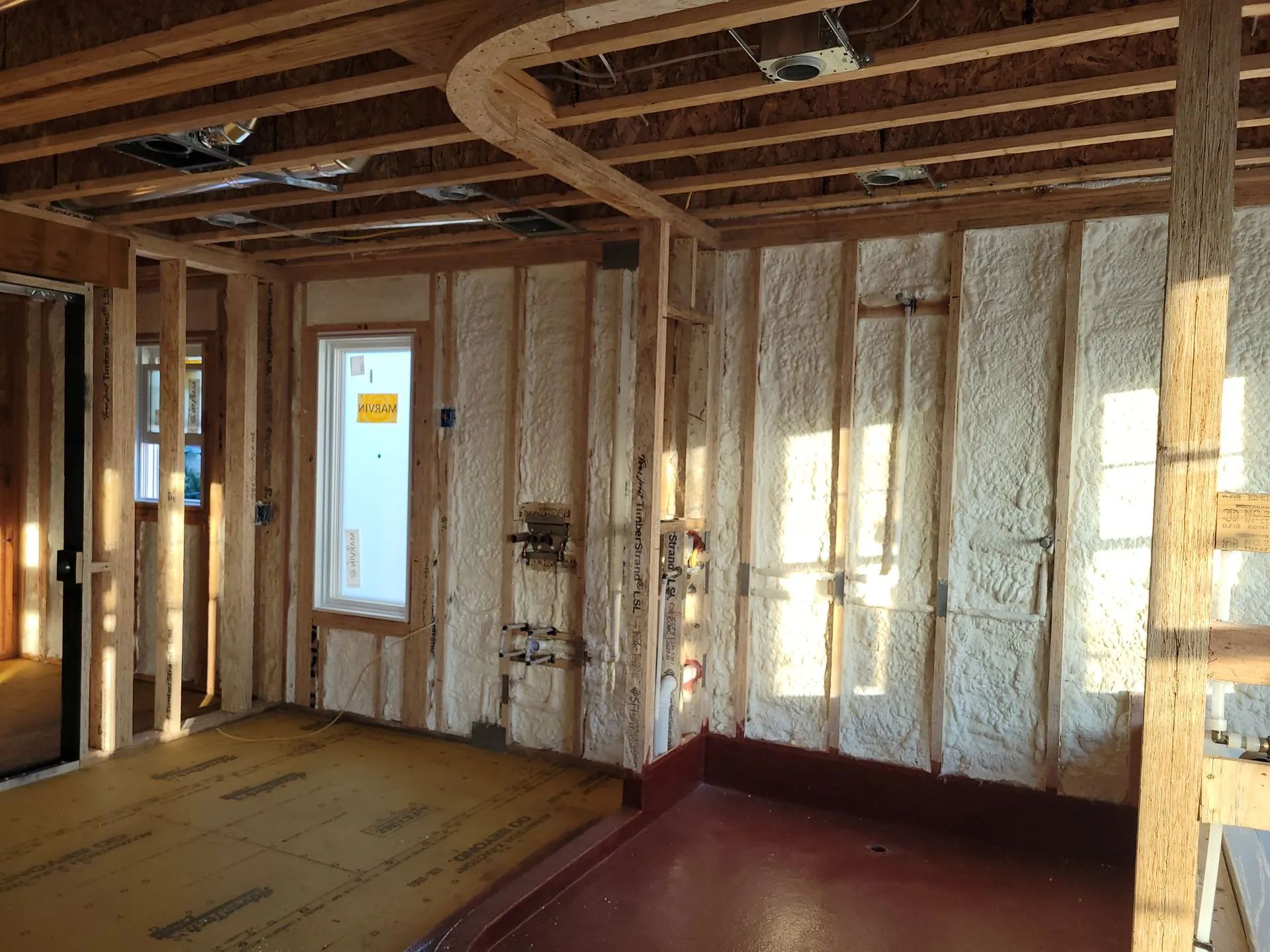
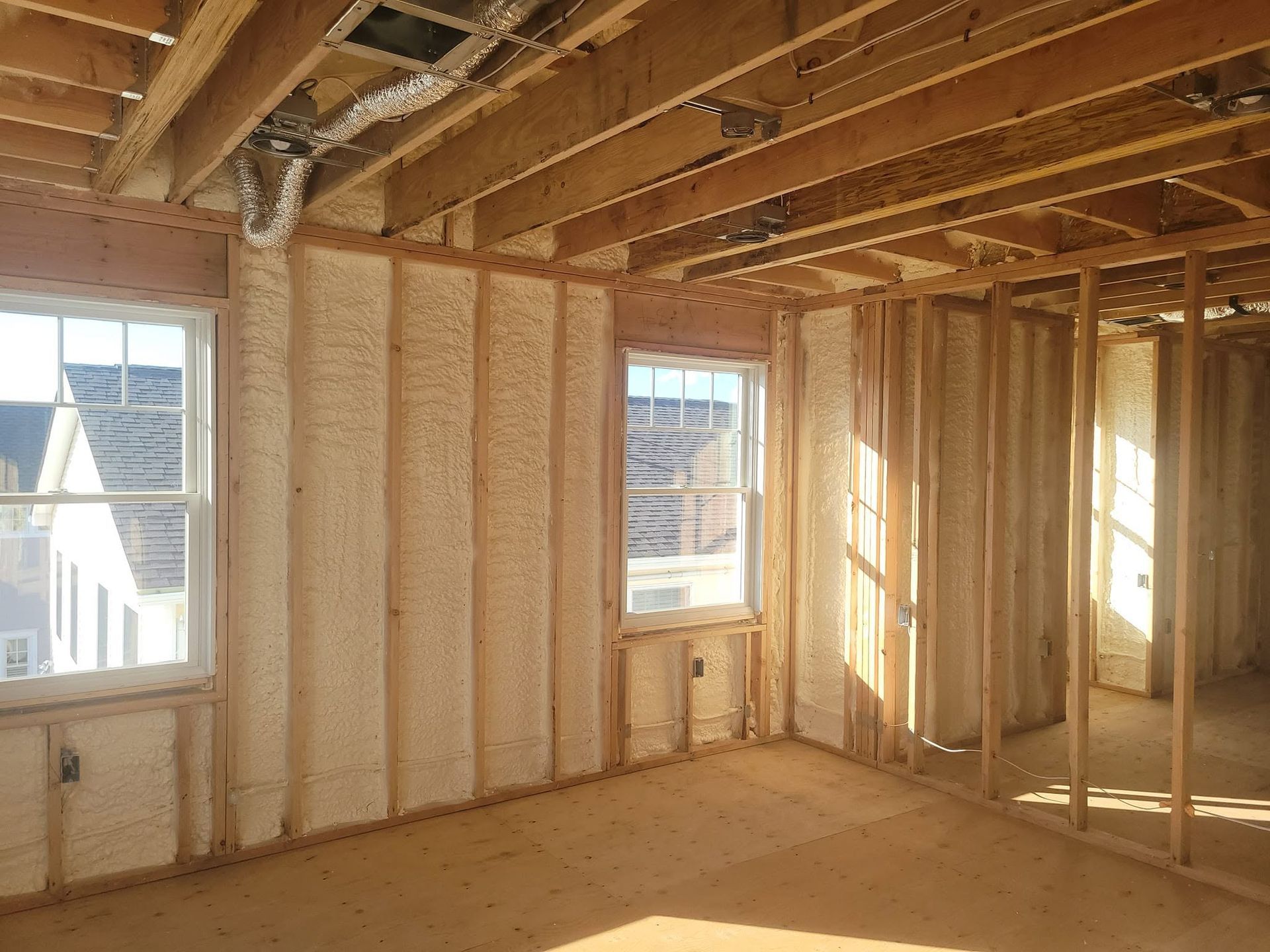
That uncontrolled airflow is the root of the trouble. When outside air sneaks in through random cracks instead of coming through a filtered, controlled path, it drags in whatever it is carrying, and it dumps your conditioned air right back out. A tighter, well-insulated envelope changes that pattern. According to the EPA, sealing a home reduces the transfer of outdoor air pollutants indoors, and a tighter envelope cuts the amount of humidity, dust, pollen, and pests that get in. The goal is not to suffocate the house; it is to stop the leaks so the air coming in is the air you actually chose to let in.
Fewer Allergens: Sealing Out What You Do Not Want to Breathe
If your indoor air feels like it is full of the same things that make you sneeze in the yard, that is often exactly what is happening. Air leaking into your living space through gaps is unfiltered, and it carries the outdoor world in with it.
Pollen off the trees in a Jersey spring, fine dust, and mold spores all ride that infiltrating air into the house through the same cracks that drive up your energy bill. Because that air bypasses your HVAC filter entirely, nothing catches those particles before they reach the rooms you live in. Sealing and insulating those weak points cuts down on that unfiltered flow, so more of the air moving through your home comes through the filtered path instead of leaking in raw. New insulation paired with air sealing helps reduce asthma and allergy triggers by sealing out dust, mold spores, and pollen, which is why homeowners often notice they breathe easier indoors after the work is done. For anyone in the house with allergies or asthma, that difference is not subtle.
Controlling Moisture and the Mold That Comes With It
Moisture is where insulation quietly does some of its most important work, and on the Jersey Shore, moisture is always in the conversation. Coastal humidity, damp basements and crawlspaces, and muggy summers give mold and mildew plenty to work with, and mold is both a comfort problem and an air quality problem.
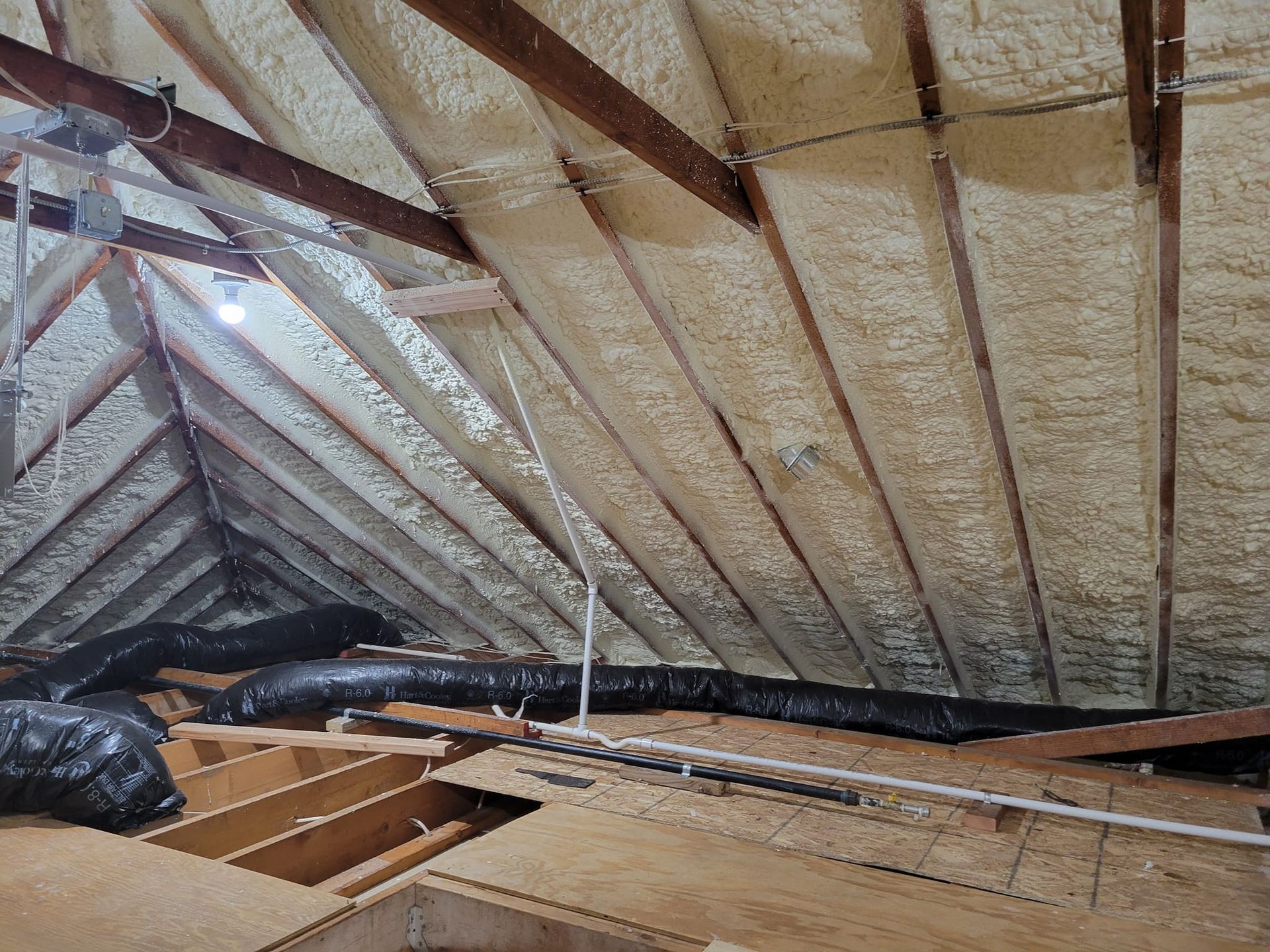
The mechanism is condensation. When warm, moist air meets a cold surface, like the underside of a roof deck or the inside of an uninsulated wall, the moisture condenses into water, and standing dampness inside a wall or attic is an invitation for mold and mildew to grow. The spores they release are exactly what you do not want circulating in your indoor air. This is where insulation choice matters: closed-cell spray foam acts as a moisture and vapor barrier, so damp outside air is less able to get in and condense, which reduces the conditions mold needs. By minimizing air infiltration, insulation also cuts down the movement of mold and mildew spores through the home. Controlling that moisture keeps the air healthier and takes away the clammy, humid feeling that makes a house uncomfortable even when the temperature reads fine.
Tip: If one room in your house always feels damp or smells musty, especially a bedroom over a garage, a finished basement, or a space under a low attic, treat it as a signal rather than a quirk. That is usually a spot where warm, moist air is meeting a cold, poorly insulated surface and condensing. Having that specific area assessed for air sealing and the right insulation often solves the smell, the dampness, and the comfort of the room all at once.
Steadier Temperatures, Room to Room
The comfort most people notice first is temperature, and the maddening part is not the average, it is the swings. One room bakes while another stays cold, the upstairs never matches the downstairs, and the temperature slides every time the heat or air conditioning cycles off.
Those swings come from the same leaks and gaps. Heat escapes through an underinsulated attic in winter and pours in through it in summer, so the rooms nearest the weak points are always the ones fighting to stay comfortable. A well-insulated, well-sealed home holds its temperature far more evenly, because the conditioned air is not constantly bleeding out and being replaced by outside air. That means fewer cold floors in January, less of that second-floor heat you cannot beat in July, and a thermostat setting that actually reflects how the whole house feels. Steady temperature is comfort you stop thinking about, which is the point. When the envelope is right, the house simply holds where you set it.
The Balance: A Tight Home Still Needs to Breathe Right
There is an important piece that separates a job done right from one done blindly, and it is worth understanding. Sealing a home tight is good, but a home also needs a controlled source of fresh air, and the two go together.
The reason the EPA pairs air sealing with ventilation is that once you stop the random leaks, you want fresh air coming in through an intended, filtered path rather than through cracks. A professional approaches the whole house as a system, sealing the leaks that drag in allergens and moisture while making sure the home still gets the ventilation it needs to stay healthy. That balance is exactly why insulation and air sealing are not a caulk-a-few-gaps weekend project if you want the air quality benefit. Getting the envelope tight and the ventilation right is what delivers cleaner air and steady comfort at the same time, rather than trading one problem for another.
Frequently Asked Questions
Can insulation really help with my allergies indoors?
It can help a lot. Much of the pollen, dust, and mold spores in your indoor air arrive by leaking in through gaps in the building envelope, bypassing your HVAC filter entirely. Sealing and insulating those leaks reduces that unfiltered infiltration, so fewer outdoor allergens end up in the rooms you live in. Many homeowners with allergies or asthma notice they breathe easier after the work.
How does insulation prevent mold in a humid coastal area?
Mold needs moisture, and much of that moisture comes from warm, damp air condensing on cold surfaces inside walls and attics. Insulation, especially closed-cell spray foam that acts as a vapor barrier, reduces how much damp air gets in and condenses, cutting off the dampness mold depends on. In a humid shore climate, controlling that moisture is one of the most valuable things insulation does.
Why are some rooms in my house so much hotter or colder than others?
Almost always because those rooms are near weak points in the insulation and air sealing, like an underinsulated attic or leaky exterior walls. Conditioned air escapes and outside air gets in, so those rooms fight to hold a comfortable temperature. Sealing and insulating the envelope evens out the temperature between rooms and floors.
Does sealing my home too tight make the air stale?
It can if sealing is done without regard to ventilation, which is why professionals treat the house as a system. The goal is to stop uncontrolled leaks while making sure the home still gets fresh air through an intended, filtered path. Done correctly, a tighter home has better air quality, not worse, because you control where the fresh air comes from.
Which insulation is best for air quality and moisture in a shore home?
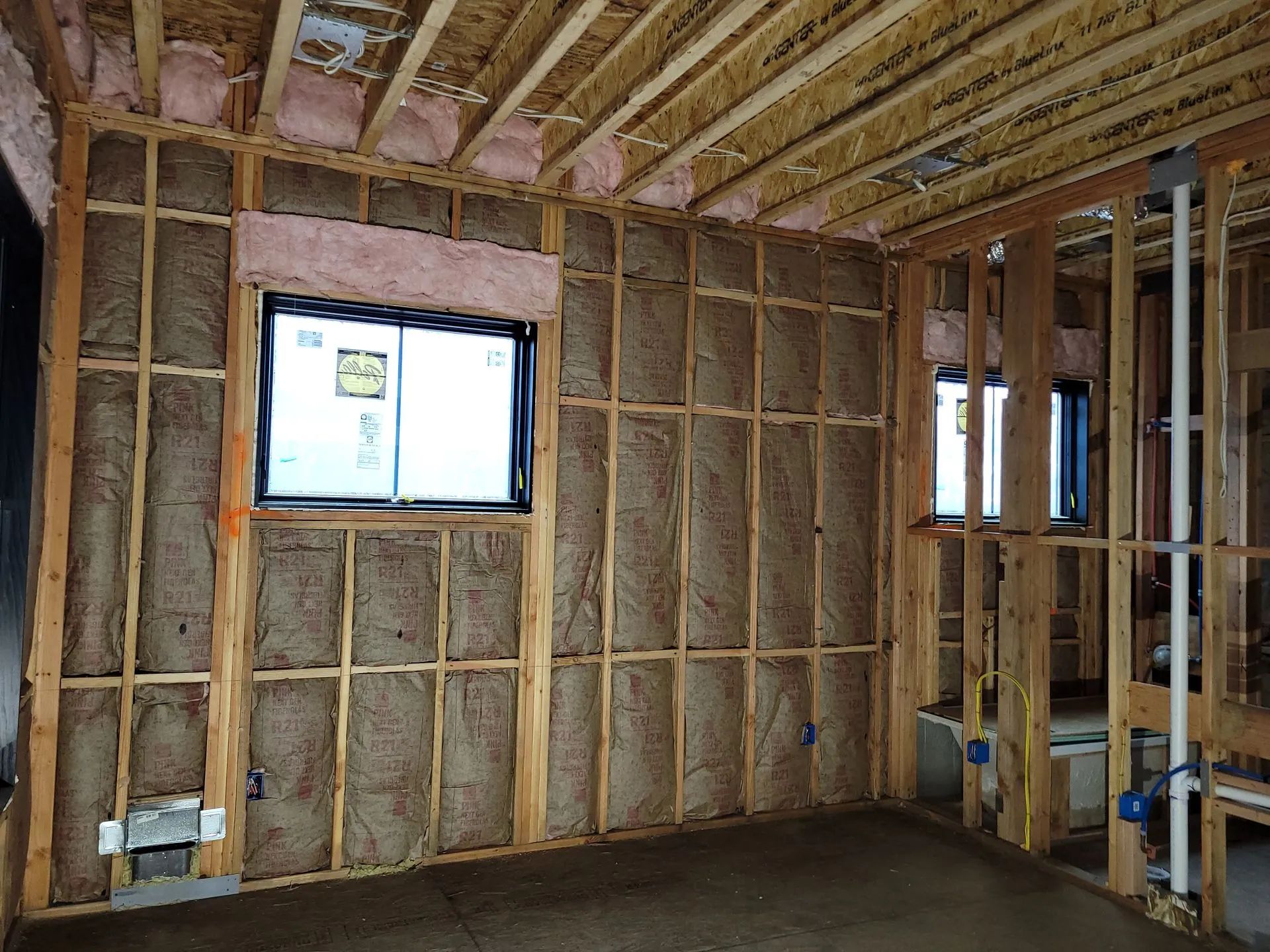
It depends on the space, but closed-cell spray foam is often favored in damp or coastal areas because it seals air leaks and acts as a moisture and vapor barrier in one step. Other materials work well in the right spots too. The best choice comes from looking at the specific area, its moisture exposure, and how air is moving through it.
Will better insulation help if someone in my home has asthma?
It often does, because it reduces the dust, pollen, and mold spores that leak into indoor air and can trigger symptoms. Paired with proper ventilation and filtration, a tighter envelope means fewer airborne irritants circulating through the house. It is not a medical fix, but many families report an easier-breathing home after air sealing and insulation.
Breathing Easier in a More Comfortable Home
The allergies that flare indoors, the clammy summer air, the musty basement, and the rooms that never hold a comfortable temperature are not four separate problems. They are what a leaky, underinsulated home feels like from the inside, and they improve together when the envelope is sealed and insulated the right way. Better insulation keeps outdoor allergens from drifting in unfiltered, controls the moisture that feeds mold in a damp coastal climate, and steadies the temperature so every room feels the way you set it. Cleaner air and real comfort come from the same place, the parts of the house you never see, and getting them right changes how the whole home feels to live in.
Make your home healthier and more comfortable from the envelope in Monmouth County, NJ — When indoor allergies, humidity, musty smells, or rooms that never hold temperature are wearing on you, the fix is sealing and insulating the leaks behind all of it, not another air freshener or space heater. With 15
years of experience, Top to Bottom Insulation
assesses how air and moisture move through your Monmouth County, NJ home, seals the gaps letting allergens and dampness in, and installs the right insulation, including closed-cell spray foam for moisture-prone spaces, to steady your comfort and clean up your air. Reach out today for a free assessment and start breathing easier in a home that finally feels right.