
Is Your Home Ready for Winter? Insulation Tips for NJ Homeowners
May 12, 2026
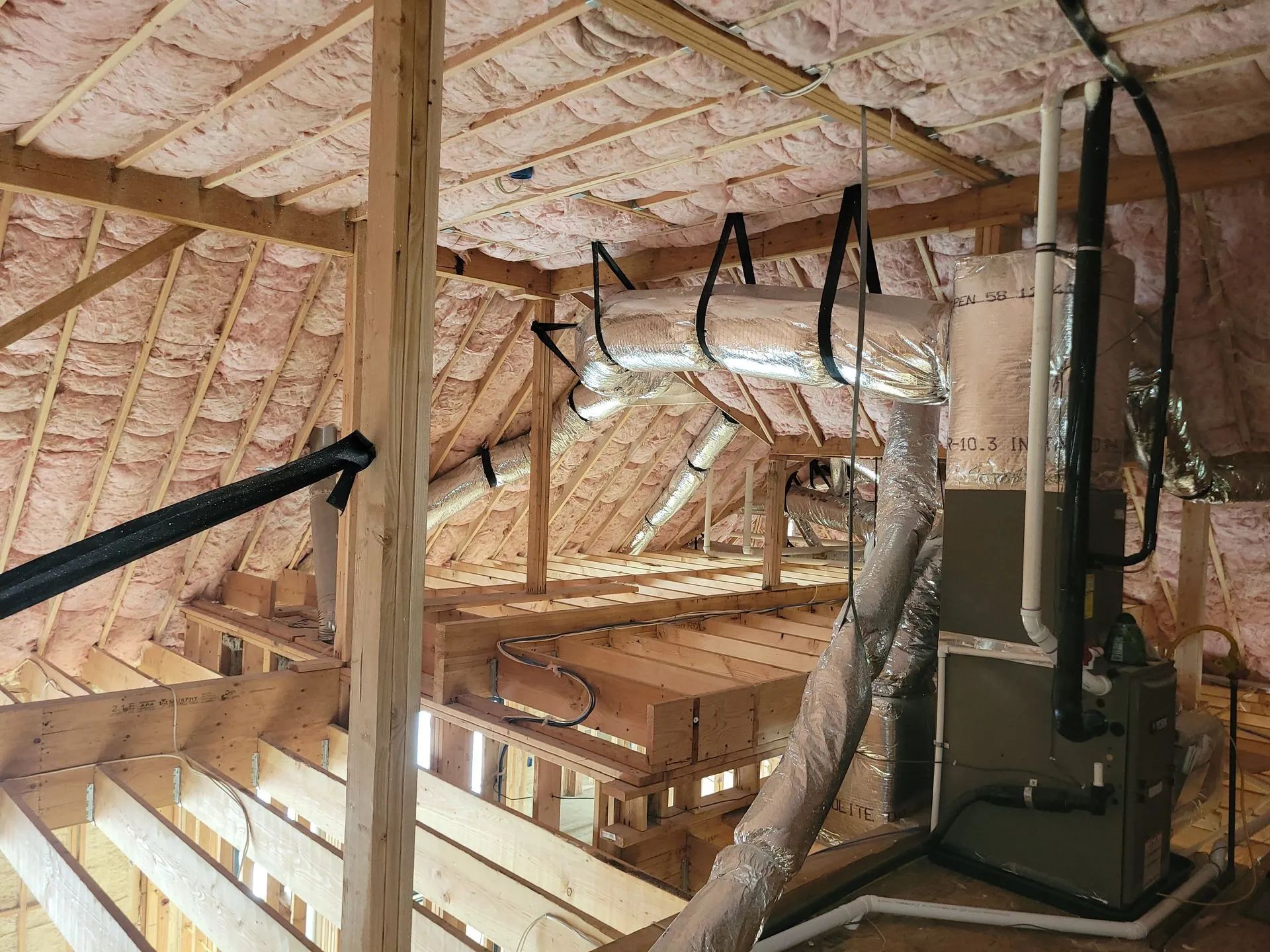
As winter approaches in New Jersey, homeowners begin to notice the first signs of rising heating bills, chilly indoor drafts, and uneven room temperatures. These early indicators often point to one underlying issue—insufficient or deteriorating home insulation. In regions like New Jersey, where winters can bring freezing temperatures, coastal winds, and sudden cold snaps, insulation plays a critical role in maintaining indoor comfort and energy efficiency.
Preparing a home before the cold season is not just about sealing windows or turning up the thermostat; it is about ensuring that the entire thermal envelope of the house is performing effectively. Proper insulation helps reduce heat loss, stabilizes indoor temperatures, and minimizes strain on heating systems, ultimately lowering energy costs. Without it, even the most efficient HVAC system struggles to maintain comfort.
For homeowners, winter readiness begins with understanding how insulation works and identifying weak points before temperatures drop further. From attics to basements, every section of a home contributes to overall thermal performance. A proactive approach ensures that small issues do not turn into expensive heating problems later in the season.
Understanding New Jersey’s Winter Insulation Challenges
Coastal Climate and Temperature Swings
New Jersey winters bring frequent temperature fluctuations, high humidity, and strong coastal winds that significantly affect home insulation performance. These changing conditions increase stress on building envelopes, allowing cold air intrusion through weak areas. Moisture from coastal exposure further reduces insulation efficiency over time, making consistent indoor heating more difficult and increasing energy usage throughout the entire winter season across all homes.
Energy Efficiency Pressure in Cold Months
Energy costs in New Jersey typically rise during winter due to extended heating demands and continuous system usage. Poor insulation allows heat to escape quickly, forcing heating systems to work harder and consume more energy. This leads to uneven indoor temperatures, cold drafts, and reduced comfort levels throughout living spaces, especially when insulation performance is below recommended efficiency standards overall for homeowners.
Attic Insulation: The First Line of Defense
Heat Loss Through Roof
A large portion of indoor heat escapes through the roof when attic insulation is insufficient or unevenly installed. Warm air naturally rises, making the attic a critical area for maintaining thermal balance. Without proper insulation coverage, heat loss becomes constant, forcing heating systems to operate longer cycles and reducing overall energy efficiency during cold winter conditions in homes across all living spaces.
Checking Insulation Depth and Coverage
Attic insulation must maintain consistent depth and full coverage to ensure effective thermal performance throughout colder months. Over time, insulation may settle or compress, exposing roof joists and reducing effectiveness. Homeowners should inspect for gaps, thin areas, or uneven layers that compromise heat retention. Adding new insulation layers can restore energy efficiency and improve overall indoor comfort levels significantly during the winter months.
Ventilation Balance in Attics
Proper attic ventilation is essential for maintaining insulation efficiency and preventing moisture buildup during the winter months. While insulation traps heat inside the home, ventilation allows excess moisture to escape, reducing the risk of mold growth and structural damage. Without balanced airflow, condensation can form, weakening insulation performance and shortening its lifespan, especially in cold and humid regional climates across residential attic spaces.
Wall and Floor Insulation Efficiency
Hidden Energy Loss in Walls
Wall insulation is often overlooked because it remains hidden behind finished surfaces, yet it plays a major role in maintaining indoor temperature stability. Poorly insulated walls allow continuous heat transfer between indoor and outdoor environments, leading to energy loss. This results in uneven heating, higher utility costs, and reduced comfort levels across different rooms throughout the home interior during colder winter months.
Cold Floors and Crawl Spaces
Cold floors are a common issue in homes with insufficient floor or crawl space insulation, especially during early morning winter hours. Uninsulated crawl spaces allow cold air to rise into living areas, reducing comfort and increasing heating demands. Proper insulation in these areas helps stabilize indoor temperatures, prevents heat loss, and improves overall energy efficiency throughout the home during winter periods.
Air Leakage Around Fixtures
Air leakage around electrical outlets, plumbing penetrations, and structural joints is a major but often unnoticed cause of heat loss in homes. These small gaps allow warm indoor air to escape while letting cold air enter, reducing insulation effectiveness. Sealing these areas with proper materials improves energy efficiency, enhances comfort, and reduces unnecessary strain on heating systems overall during the colder months.
Basement Insulation and Moisture Protection
Basements as Thermal Weak Points
Basements often act as thermal weak points in residential structures due to their proximity to ground moisture and cooler underground temperatures. Without proper insulation, basements allow significant heat loss, affecting overall home comfort. Cold air infiltration from basement walls can spread to upper floors, making it harder to maintain consistent indoor temperatures during winter conditions across the entire residential living spaces.
Moisture Control and Insulation Durability
Moisture control is essential for maintaining insulation durability, especially in regions with high humidity and coastal exposure. When insulation absorbs moisture, its thermal resistance decreases, reducing overall efficiency. Over time, this can lead to mold growth, material deterioration, and structural concerns. Proper moisture management ensures insulation remains effective, extends lifespan, and maintains consistent indoor comfort throughout the winter months across residential building systems.
Improving Basement Comfort
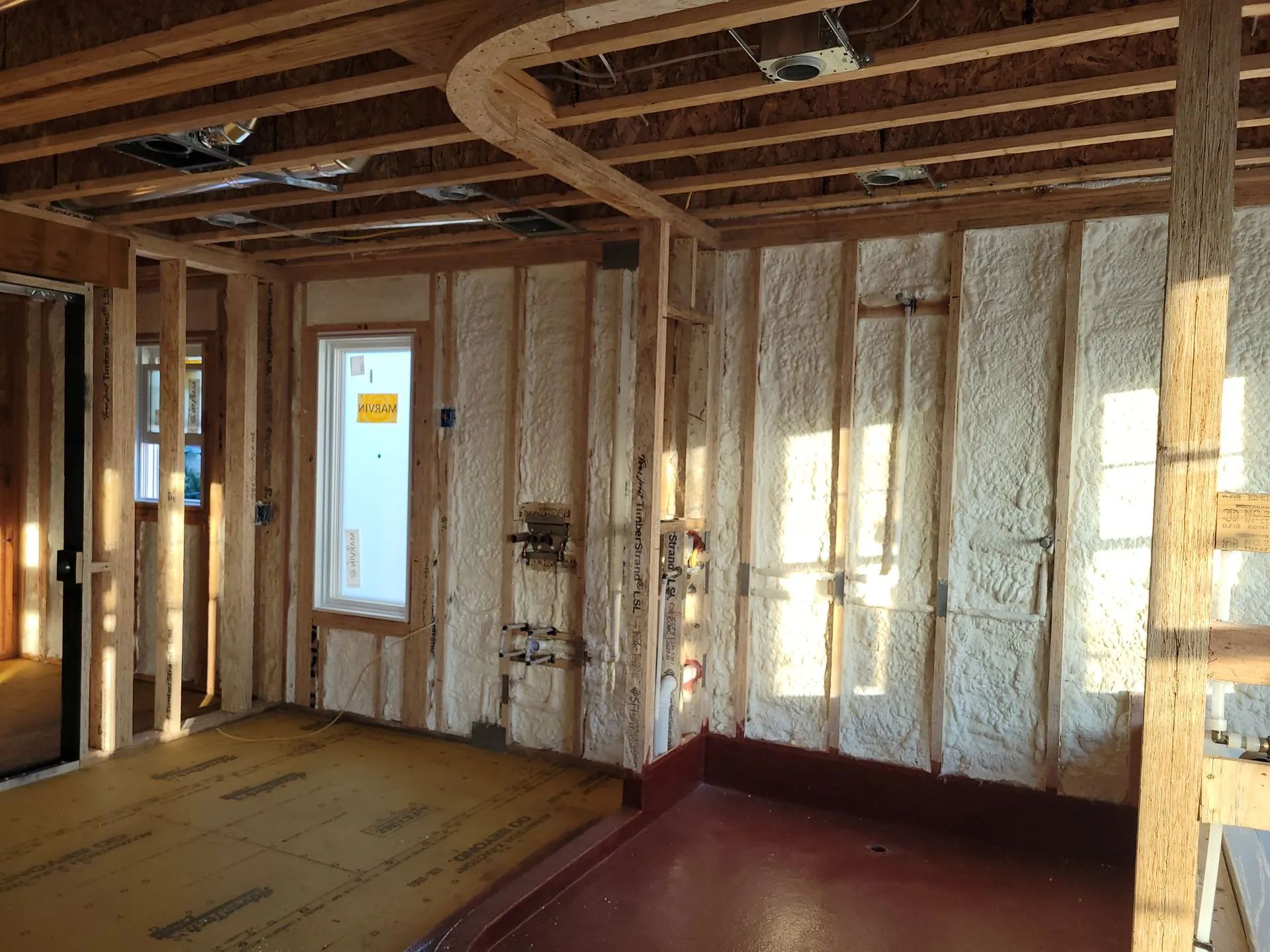
Improving basement comfort requires addressing insulation gaps, moisture issues, and air leakage that contribute to cold and damp conditions. Installing rigid foam or spray foam insulation helps create a thermal barrier that reduces heat loss. Enhanced basement insulation improves energy efficiency, stabilizes indoor temperatures, and prevents moisture-related problems, making living spaces above more comfortable during winter months across the entire home structure.
Common Insulation Problems Homeowners Overlook
Settling and Compression Over Time
Insulation materials naturally settle and compress over time, especially in older homes, reducing their thickness and effectiveness. This settling creates gaps that allow heat to escape and cold air to enter living spaces. As a result, heating systems must work harder to maintain consistent temperatures, leading to higher energy consumption and reduced overall comfort during winter conditions across colder seasonal periods annually.
Gaps and Incomplete Installation
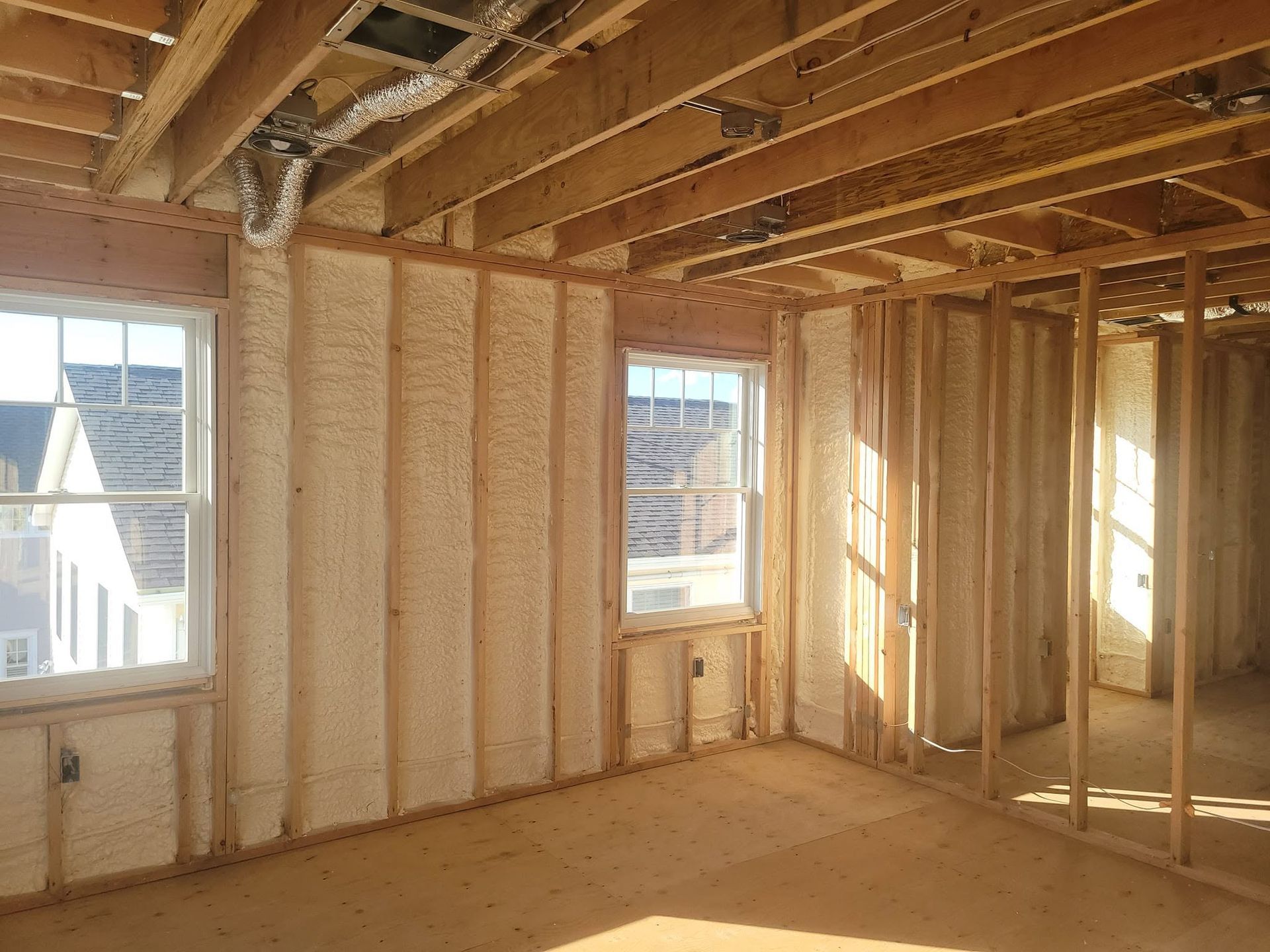
Poor insulation installation often leaves gaps around framing, ducts, and corners that significantly reduce energy efficiency. These openings allow uncontrolled air movement, letting warm air escape and cold air enter homes. Even small gaps can have a noticeable impact on heating performance, increasing energy bills and reducing comfort levels throughout living spaces during the winter season months across residential heating systems overall.
Aging Materials and Reduced Performance
Over time, insulation materials degrade due to moisture exposure, pest activity, and structural movement within homes. This aging process reduces thermal performance and allows greater heat loss during the winter months. Older insulation may no longer meet modern efficiency standards, making homes less comfortable and increasing energy consumption as heating systems struggle to maintain stable indoor temperatures effectively across residential energy systems overall.
Upgrading Insulation for Maximum Winter Efficiency
Choosing the Right Insulation Type
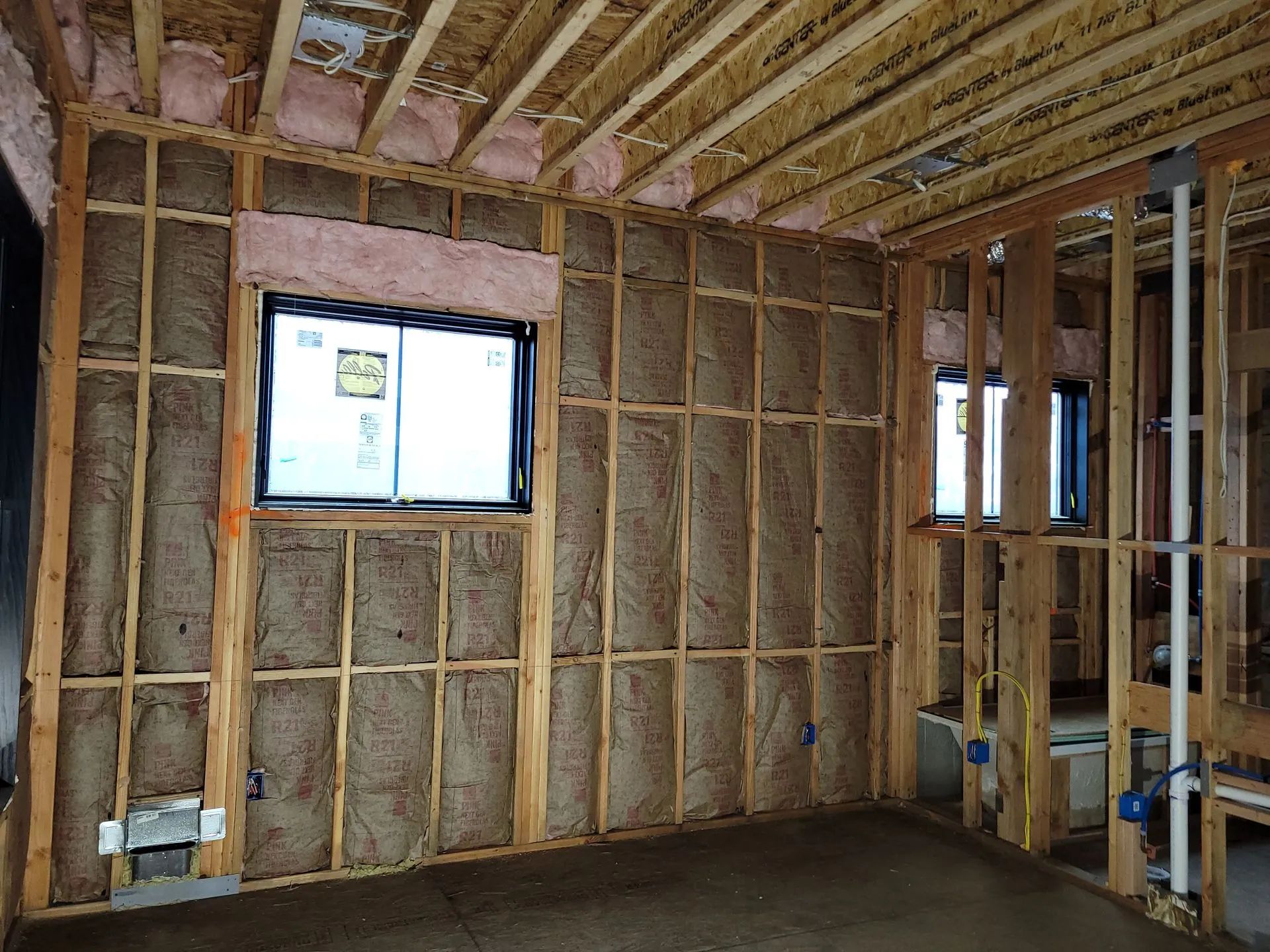
Selecting the right insulation type is essential for achieving optimal energy efficiency and long-term comfort in homes. Fiberglass, cellulose, and spray foam each offer different benefits depending on application areas. Spray foam provides superior air sealing, while fiberglass is cost-effective for larger spaces. Choosing the appropriate material ensures better thermal performance and reduced heating costs during winter conditions across residential insulation systems.
Understanding R-Value Requirements
R-value measures insulation’s resistance to heat flow, with higher values indicating better thermal performance. In New Jersey, homes require higher R-values in attics and exterior walls to withstand cold winter temperatures effectively. Proper R-value selection ensures reduced heat loss, improved energy efficiency, and consistent indoor comfort, helping homeowners maintain stable heating performance throughout seasonal changes each year across residential building insulation systems.
Professional Assessment vs DIY Solutions
While minor insulation improvements can be handled through do-it-yourself methods, comprehensive upgrades require professional assessment for accurate results. Experts can identify hidden inefficiencies, air leaks, and structural issues that may not be visible. A detailed evaluation ensures insulation meets energy standards, improves system performance, and delivers long-term savings through properly executed installation and material selection strategies across residential insulation performance systems overall.
Air Sealing Before Insulation
Air sealing is a critical step before installing or upgrading insulation, as it prevents uncontrolled air movement through gaps and cracks in the building envelope. Without proper sealing, even high-quality insulation cannot perform effectively. Sealing leaks improves energy efficiency, reduces heating costs, and enhances indoor comfort by maintaining stable temperatures throughout living spaces during winter conditions each season across residential home systems.
Dependable Insulation Improvements Built for Cold Seasons
Top to Bottom Insulation, an
insulation contractor
serving Monmouth County, NJ with over 15
years of experience, delivers reliable insulation solutions designed for regional weather challenges. We focus on enhancing home efficiency through precise installation methods, energy-conscious strategies, and durable materials suited for coastal and cold climates. We work closely with homeowners to identify inefficiencies, improve comfort levels, and deliver long-lasting insulation improvements that stand up to New Jersey winters.