
Best Insulation Practices for Coastal Homes in Southern NJ
April 18, 2026
Coastal homes in Southern New Jersey, especially in towns like Toms River, Brick, and Point Pleasant, face a unique combination of environmental stressors that directly impact energy efficiency and structural durability. Salt-laden air, persistent humidity, seasonal storms, and strong coastal winds all place continuous pressure on building envelopes. In such conditions, insulation is not just about temperature control; it becomes a critical defense system that protects homes from moisture intrusion, air leakage, and long-term material degradation.
For property owners in this region, selecting and installing the right insulation system plays a major role in maintaining indoor comfort and reducing energy costs year-round. Poor insulation performance can quickly lead to mold growth, higher HVAC loads, and premature wear of structural components. As coastal weather patterns continue to intensify, the demand for resilient insulation strategies has become more important than ever in modern construction and renovation practices.
This guide explores proven insulation methods specifically suited for Southern NJ coastal environments. It focuses on practical solutions designed to handle salt air exposure, high humidity levels, and wind-driven pressure differences. Each section provides actionable insights that help improve building performance while aligning with regional climate demands and long-term sustainability goals for residential properties.
Understanding Coastal Climate Challenges in Southern NJ
Salt Air Exposure and Material Breakdown
Homes located near the Jersey Shore experience continuous exposure to salt particles carried by ocean air throughout the year. Over time, salt can accelerate corrosion in building materials, weaken insulation facings, and significantly reduce the effectiveness of thermal barriers installed within structures. Even small gaps in insulation systems can allow salt-laden moisture to penetrate wall cavities, leading to hidden deterioration and long-term structural damage inside homes.
High Humidity and Moisture Accumulation
Southern NJ coastal regions regularly experience elevated humidity levels, especially during warmer months and seasonal transitions. Moist air infiltration into poorly insulated structures often leads to condensation forming within walls, ceilings, and attic spaces over time. This trapped moisture can reduce insulation R-value significantly and promote mold development if not properly managed through controlled ventilation strategies.
Wind Pressure and Air Leakage
Strong coastal winds, especially during seasonal storms, create pressure differentials that force outside air into small cracks and structural gaps. In towns like Brick and Point Pleasant, older homes are particularly vulnerable to air leakage due to aging building envelopes and weakened seals. This results in higher energy consumption and inconsistent indoor temperatures throughout changing weather conditions.
Seasonal Temperature Fluctuations
While winters can be cold and damp, summers are typically hot, humid, and often unpredictable in coastal zones. Insulation systems must therefore perform efficiently in both heating and cooling cycles across all seasons. Thermal bridging becomes a major concern when insulation is not properly installed or when outdated materials fail to provide consistent resistance.
Real-World Impact on Homes
In many coastal properties, inadequate insulation leads to noticeable issues such as fluctuating indoor comfort, peeling paint from moisture buildup, and increased HVAC strain over time. Addressing these environmental challenges requires a strategic insulation approach tailored specifically to coastal conditions rather than standard inland construction practices alone.
Best Insulation Materials for Coastal Environments
Closed-Cell Spray Foam Insulation
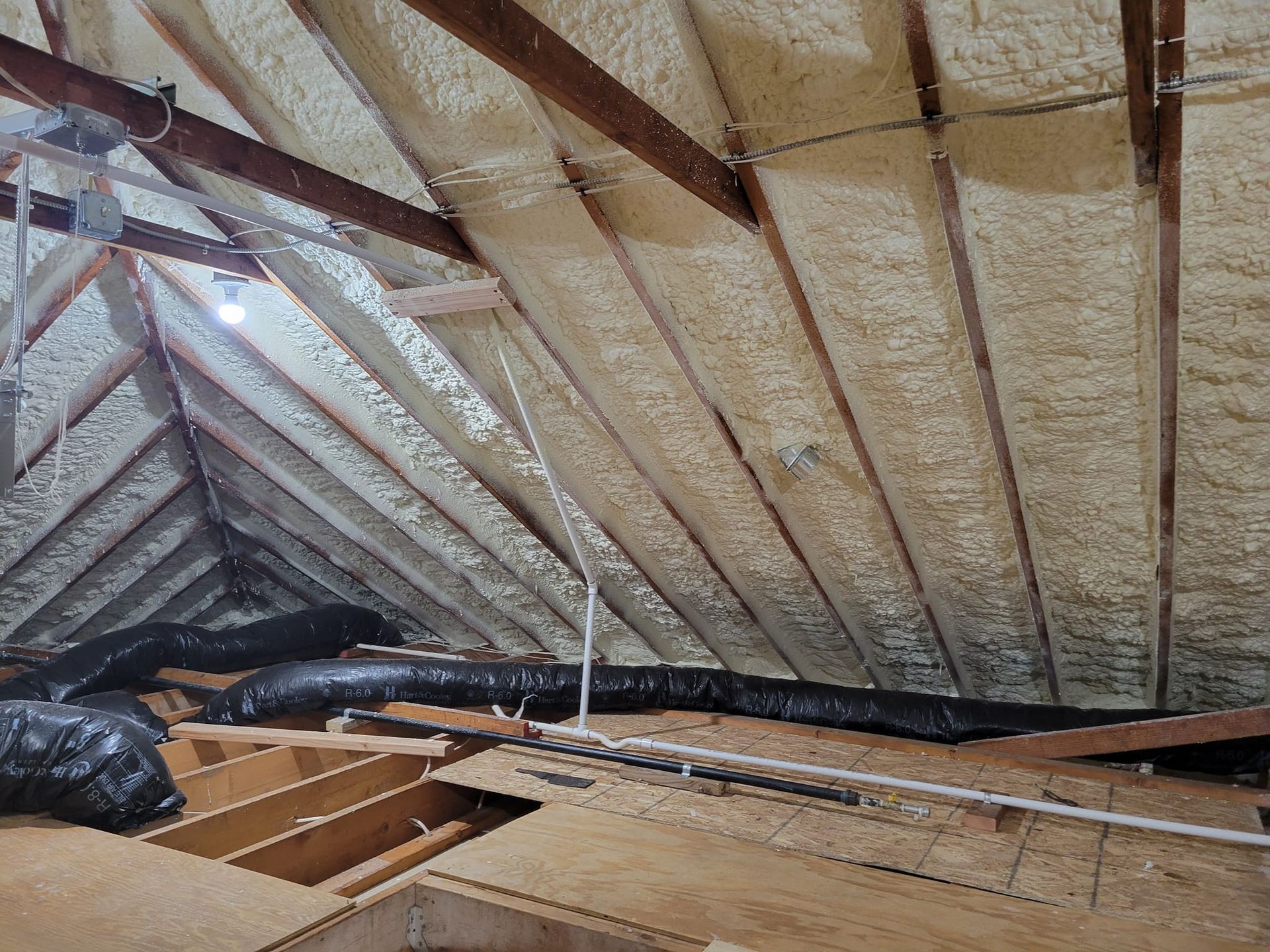
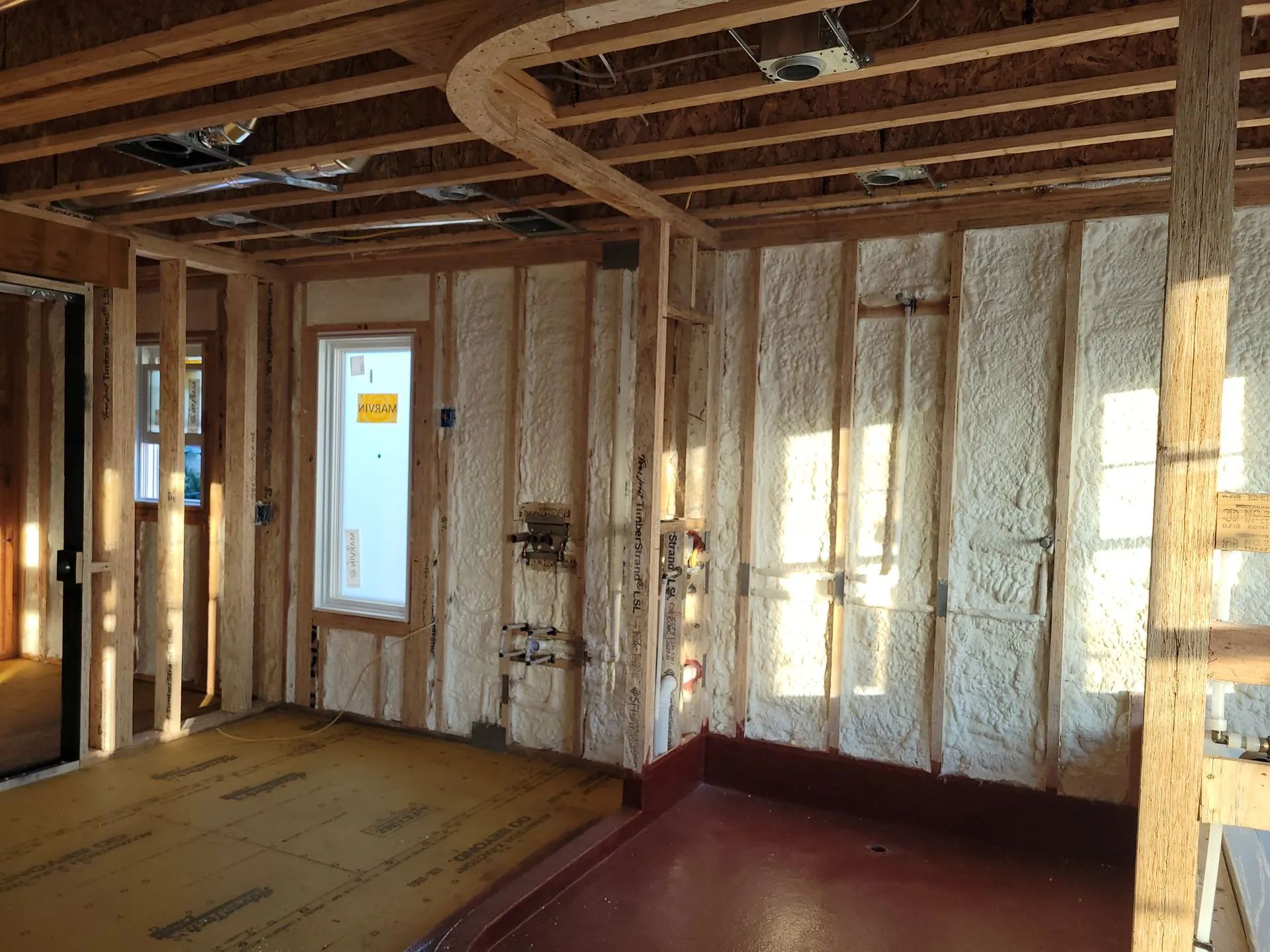
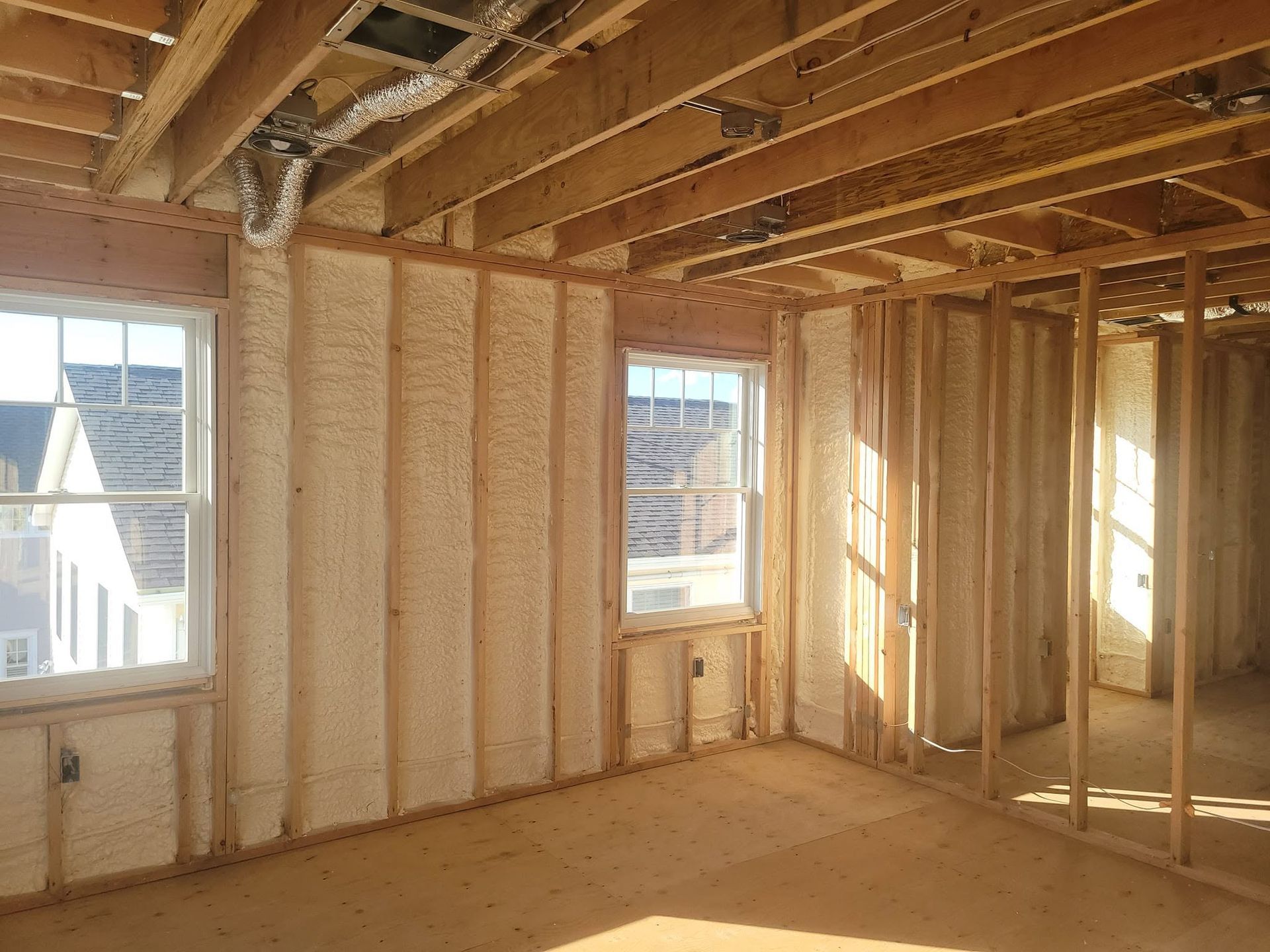
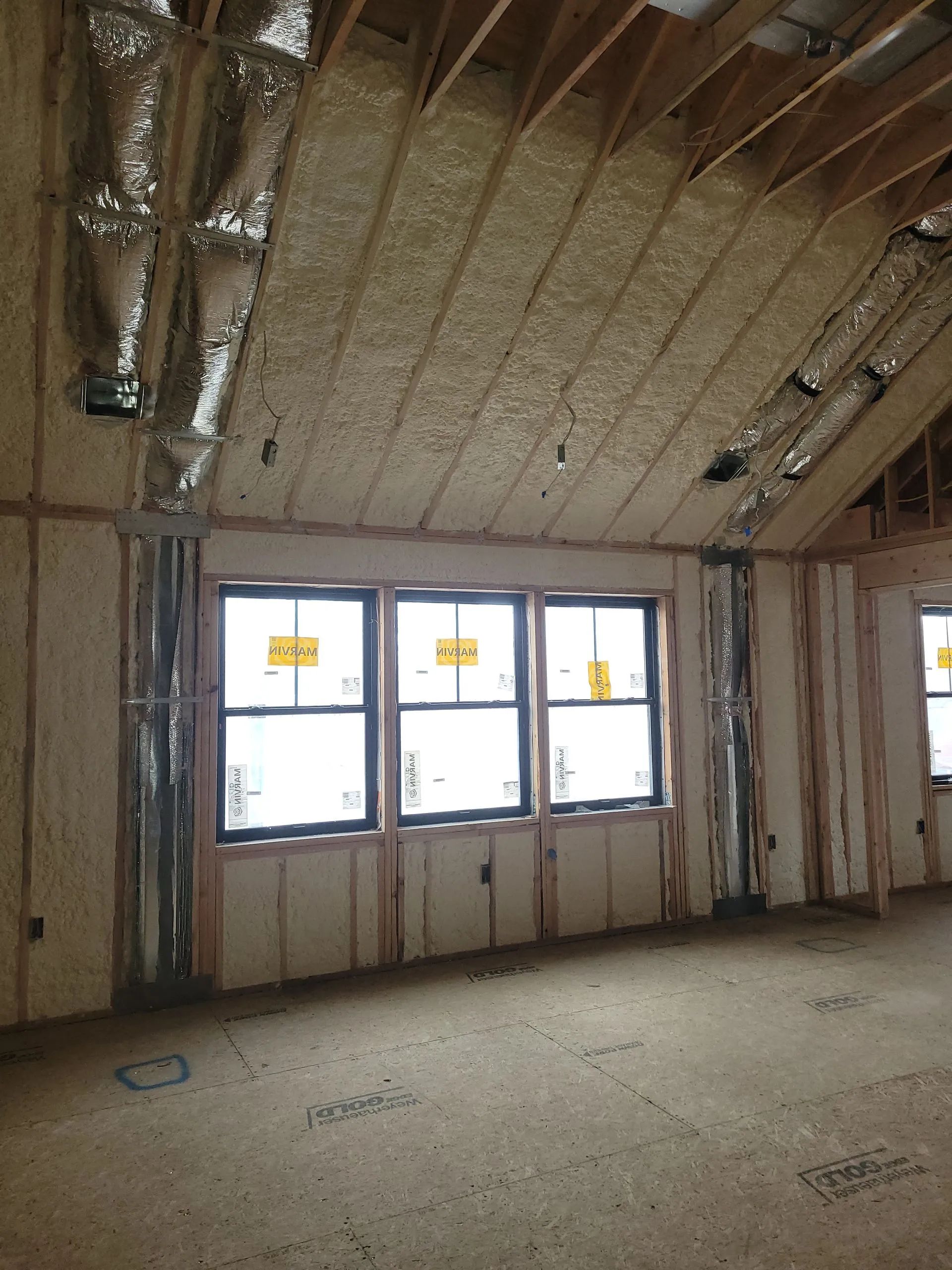
Closed-cell spray foam is one of the most effective insulation types for coastal homes exposed to harsh environmental conditions. Its dense structure creates a strong air and moisture barrier, reducing the risk of salt air penetration and condensation buildup. It also adds structural rigidity, which is beneficial in high-wind zones like Toms River and surrounding coastal areas prone to storms.
Mineral Wool Insulation
Mineral wool offers excellent resistance to both moisture and fire, making it highly suitable for coastal applications. Unlike traditional fiberglass, it does not absorb water easily, making it effective in humid coastal environments with fluctuating conditions. Its dense fibers also help reduce sound transmission, which is valuable in densely populated shore communities nearby.
Rigid Foam Board Insulation
Rigid foam boards, particularly polyisocyanurate and extruded polystyrene, provide high R-values and strong long-term moisture resistance performance. When properly sealed at all joints and edges, these boards create continuous insulation layers that significantly limit thermal bridging in exterior walls and roof assemblies across coastal homes.
Fiberglass with Vapor Barriers
While fiberglass remains widely used due to affordability and accessibility, its performance in coastal regions depends heavily on proper vapor barrier installation techniques. Without adequate moisture protection, fiberglass can lose efficiency in humid conditions, making professional installation quality a critical factor in overall system performance and durability.
Material Selection Considerations
Choosing insulation for coastal homes requires carefully balancing moisture resistance, durability, energy efficiency, and long-term thermal performance stability. Materials must withstand continuous exposure to humidity and salt while maintaining consistent insulation performance across seasonal temperature changes and coastal weather fluctuations.
Air Sealing and Moisture Control Strategies
Importance of Airtight Building Envelopes
Air sealing is a foundational step in coastal insulation systems designed for long-term efficiency and durability. Even high-performance insulation materials lose effectiveness if air leakage is not properly controlled throughout the structure. Small gaps around windows, doors, and framing joints allow humid air infiltration, reducing overall energy efficiency significantly.
Vapor Barrier Integration
Proper vapor barrier placement helps control moisture migration through walls, ceilings, and insulated structural assemblies. In Southern NJ coastal homes, vapor barriers must be strategically installed to prevent warm, humid air from condensing inside cooler structural cavities during seasonal temperature changes and fluctuations.
Sealing Gaps and Penetrations
All structural penetrations, including plumbing lines, electrical wiring, and HVAC duct systems, must be carefully sealed with durable materials such as foam sealants or specialized weather-resistant caulks. This prevents uncontrolled airflow that can compromise insulation performance and long-term energy efficiency in coastal environments.
Attic and Crawl Space Protection
Attics and crawl spaces are particularly vulnerable to moisture buildup due to temperature variation and limited airflow circulation. Proper air sealing in these areas reduces the risk of mold growth and improves overall thermal stability across the entire building envelope. Ventilation balance is essential to avoid trapped humidity issues.
Practical Coastal Application Example
In areas like Point Pleasant, homes located near water channels often experience higher moisture infiltration rates throughout the year. Proper sealing combined with moisture-resistant insulation significantly reduces long-term maintenance issues and improves indoor comfort consistency across all seasons.
Wind-Resistant Insulation Installation Practices
Reinforcing Exterior Wall Systems
Coastal winds create pressure that can force air through weak points in exterior wall systems during storms. Insulation must be tightly fitted and supported with continuous air barriers to maintain structural integrity and performance during high-wind coastal conditions.
Roof Insulation Stability
Roof systems in coastal regions must resist uplift forces during strong winds and storm events common near shorelines. Proper insulation installation beneath roofing assemblies helps stabilize temperature fluctuations and significantly reduces condensation risks inside attic spaces.
Window and Door Perimeter Protection
Insulation alone is not sufficient without reinforcing all building openings and transition points. Perimeter sealing around windows and doors prevents wind-driven air infiltration, which is a common issue in older coastal homes exposed to continuous environmental pressure.
Layered Insulation Systems
Using multiple insulation layers enhances both wind resistance and thermal performance across coastal properties. Combining rigid foam boards with spray foam or batt insulation improves overall system durability in storm-prone environments with frequent weather fluctuations.
Long-Term Structural Benefits
Wind-resistant insulation practices not only improve indoor comfort but also extend the lifespan of building materials and structural components. Reduced air infiltration lowers strain on HVAC systems and helps maintain consistent indoor conditions during severe weather events.
Energy Efficiency Optimization for Coastal Homes
HVAC Load Reduction
Proper insulation reduces dependency on heating and cooling systems by maintaining stable indoor temperatures throughout the year. This leads to significantly lower energy consumption and improved HVAC system longevity in coastal residential properties.
Seasonal Performance Balance
Coastal insulation must perform efficiently in both humid summers and cold winters, which require balanced thermal resistance systems. Consistent performance ensures year-round comfort without excessive energy fluctuations or unnecessary utility costs for homeowners.
Smart Insulation Upgrades
Upgrading outdated insulation systems in older homes across Brick and the surrounding coastal areas can significantly improve overall energy efficiency. Modern insulation materials offer better moisture resistance, higher thermal performance, and improved durability under coastal conditions.
Indoor Air Quality Improvement
Effective insulation combined with proper air sealing reduces the entry of outdoor pollutants, salt particles, and excess humidity into living spaces. This contributes to healthier indoor environments and improved living conditions throughout coastal residential properties year-round.
Precision Insulation Services Optimizing Coastal Property Performance
Reliable insulation solutions in coastal environments require technical precision, climate-specific knowledge, and consistent installation standards. In regions like Monmouth County, NJ, residential properties face ongoing challenges from humidity, salt air exposure, and coastal wind pressure. Addressing these factors effectively demands insulation systems that are designed for long-term resilience and energy efficiency.
At Top to Bottom Insulation, every project is approached with a focus on building performance and environmental durability. With 15 years of experience in insulation services, advanced methods are applied to improve thermal control, moisture resistance, and air sealing across a wide range of residential structures. Each installation is planned to align with coastal construction demands, ensuring that homes maintain stable indoor conditions throughout the year.