
Top 5 Benefits of Commercial Insulation for New Jersey Businesses
February 20, 2026
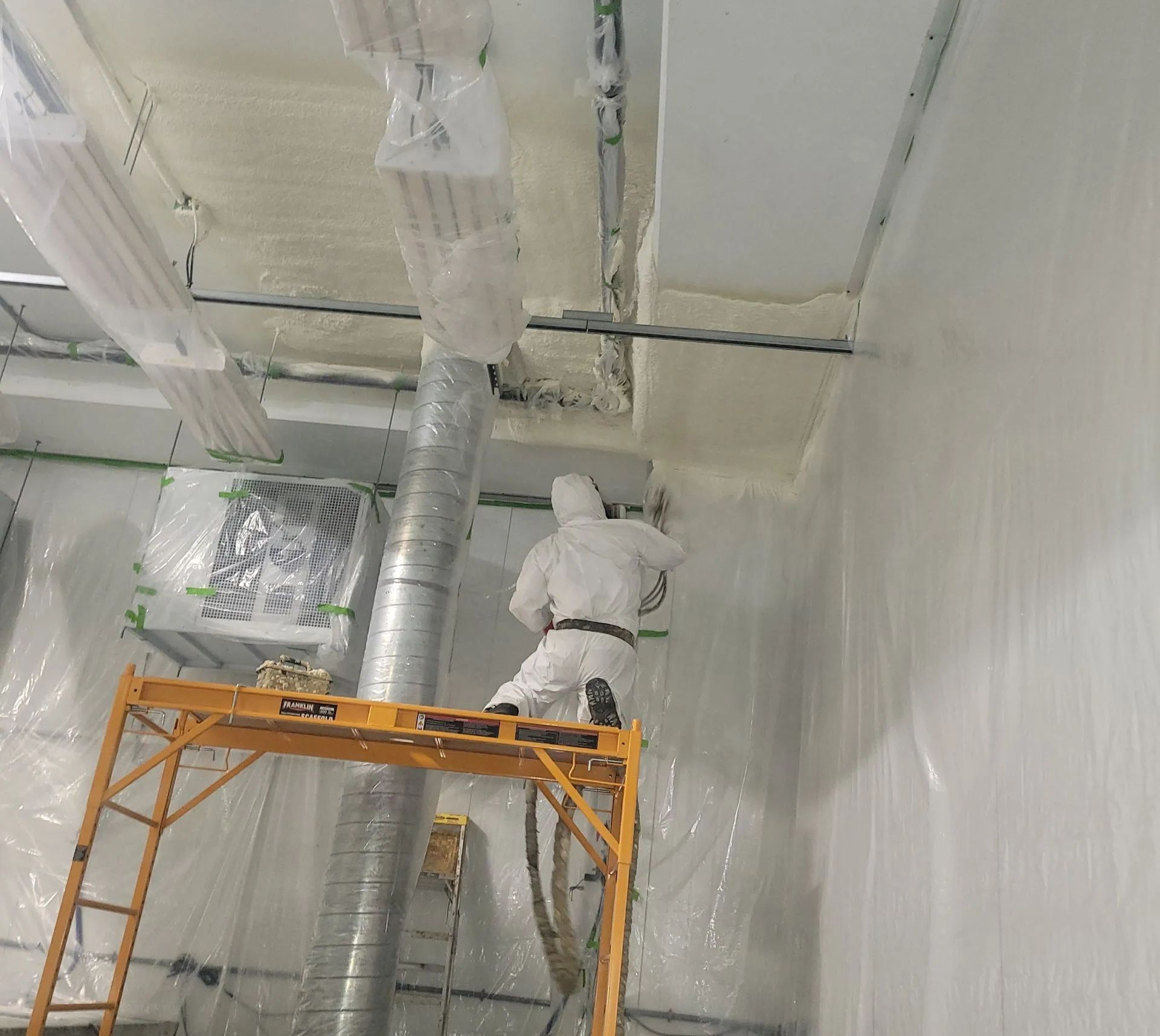
Commercial buildings are the backbone of New Jersey’s thriving economy, housing everything from bustling offices and retail stores to industrial warehouses. For business owners, maintaining an environment that supports productivity, comfort, and operational efficiency is essential. One often overlooked factor that significantly influences these outcomes is building insulation. Proper insulation goes beyond simply regulating indoor temperature; it has far-reaching effects on energy consumption, operating costs, and employee wellbeing. Investing in high-quality insulation ensures that commercial spaces remain comfortable year-round, regardless of New Jersey’s seasonal temperature swings.
In today’s competitive business landscape, companies are constantly seeking ways to reduce overhead and improve operational performance. Commercial insulation provides a reliable solution, helping businesses achieve measurable savings while enhancing their sustainability profile. From minimizing heat loss during frigid winters to reducing cooling demands in humid summers, effective insulation contributes directly to lower energy bills. Beyond cost efficiency, insulation also enhances acoustic comfort, controls moisture, and supports indoor air quality, creating a healthier environment for employees and clients alike. Understanding the multifaceted benefits of commercial insulation can guide business owners in making informed decisions that support long-term performance, comfort, and profitability.
1. Energy Efficiency: Reducing Consumption and Costs
Lower Heating and Cooling Demands
One of the most significant advantages of commercial insulation is its ability to reduce energy consumption. Buildings with inadequate insulation often struggle to maintain a consistent temperature, forcing HVAC systems to work harder to compensate for heat loss or gain. This not only increases energy usage but also accelerates wear and tear on equipment, leading to higher maintenance costs. By installing high-quality insulation in walls, roofs, and ceilings, New Jersey businesses can retain heat during winter months and block excessive heat during summer. This results in a more consistent indoor climate and reduced reliance on heating and cooling systems.
For example, a retail store in northern New Jersey experiencing harsh winter conditions can significantly cut heating costs by properly insulating its roof and exterior walls. Similarly, office buildings in urban areas can benefit from reduced cooling loads during humid summer months by using insulation materials with high R-values, which resist heat transfer effectively. Over time, these reductions in energy use translate into substantial financial savings, often paying for the initial investment in insulation within a few years.
Enhancing HVAC System Performance
Effective insulation works hand-in-hand with HVAC systems. When a building is well-insulated, HVAC units don’t have to operate at full capacity for extended periods, which reduces energy consumption and prevents system strain. This not only lowers utility bills but also extends the lifespan of the equipment, minimizing replacement and repair costs. Businesses can schedule smaller, less frequent maintenance cycles for their HVAC systems, which also reduces disruption to daily operations.
2. Improved Comfort and Workplace Productivity
Maintaining Consistent Indoor Temperatures
Temperature fluctuations can negatively impact employee comfort and productivity. In spaces where insulation is insufficient, workers may experience cold drafts during the winter or overheating in the summer, which can affect concentration and overall performance. Commercial insulation creates a thermal barrier that maintains stable indoor temperatures throughout the year, providing a comfortable environment conducive to productivity.
For instance, in an office building in Monmouth County, employees in a poorly insulated space may frequently adjust thermostats, leading to inconsistent temperatures across different zones. This inconsistency can result in complaints, reduced morale, and even absenteeism. Proper insulation eliminates these problems by ensuring that heat or cool air is distributed efficiently, creating a uniform and comfortable environment across all areas of the building.
Reducing Noise and Acoustic Disruptions
Insulation also plays a crucial role in controlling sound within commercial spaces. Acoustic insulation absorbs and dampens noise from both internal sources—such as office equipment and conversations—and external sources like traffic and construction. In workplaces where focus and communication are critical, such as call centers, offices, or educational facilities, minimizing noise disruptions improves employee productivity and client interactions.
By investing in insulation solutions designed for acoustic performance, businesses can create quieter, more professional environments. This not only benefits employees but also enhances customer experiences in spaces such as retail stores, restaurants, and healthcare facilities.
3. Cost Savings Through Reduced Operational Expenses
Lower Utility Bills
Insulation’s impact on energy efficiency directly translates to cost savings. Commercial buildings often account for significant portions of monthly utility expenditures, and poorly insulated structures can drive energy costs even higher. Installing insulation in strategic areas, including walls, attics, basements, and mechanical rooms, reduces energy loss and ensures that heating and cooling systems operate efficiently.
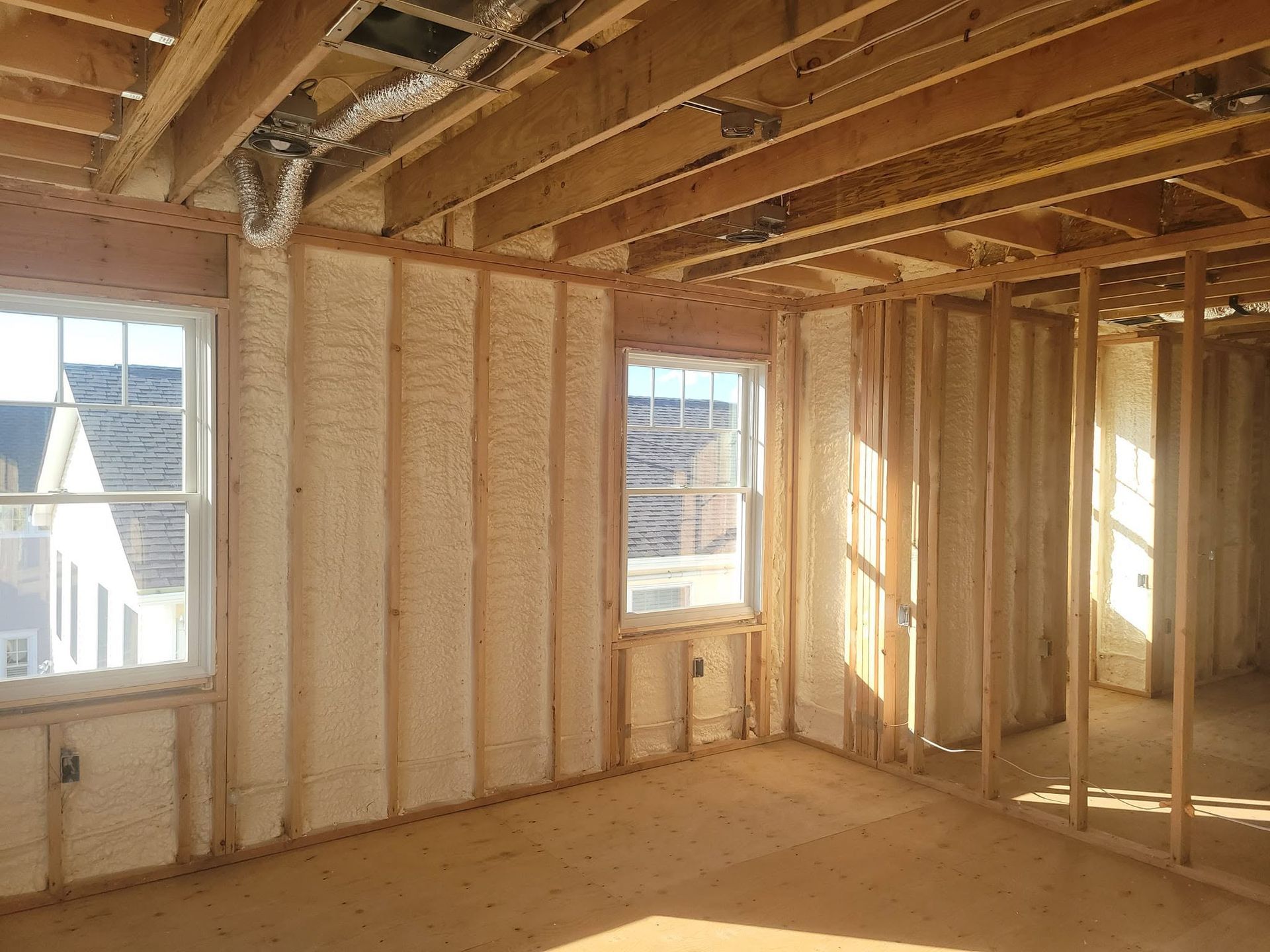
A warehouse in central New Jersey, for example, may experience high energy costs due to uninsulated ceilings and exposed metal walls. By retrofitting the building with spray foam or rigid board insulation, the facility can drastically reduce energy usage during extreme temperatures, leading to measurable reductions in electricity and gas bills. These savings can then be redirected toward other operational investments, such as equipment upgrades or workforce development.
Minimizing Maintenance and Repair Costs
Effective insulation also protects building infrastructure. Temperature extremes, moisture accumulation, and condensation can accelerate wear on structural components, roofing, and mechanical systems. Insulated buildings maintain a more stable environment, reducing the risk of damage caused by expansion, contraction, or corrosion. This preventive aspect of insulation minimizes long-term maintenance costs and preserves the building’s structural integrity, ultimately extending its lifespan.
4. Sustainability and Environmental Benefits
Reducing Carbon Footprint
In addition to financial benefits, commercial insulation contributes to environmental sustainability. By reducing energy consumption, businesses lower greenhouse gas emissions associated with heating and cooling. In New Jersey, where energy costs and environmental regulations are significant considerations for commercial properties, adopting insulation solutions demonstrates a commitment to eco-friendly practices.
Companies that prioritize sustainability can also gain competitive advantages. Green building certifications, such as LEED (Leadership in Energy and Environmental Design), often require energy efficiency measures, including insulation upgrades. Achieving such certifications not only enhances a company’s public image but may also qualify it for tax incentives, grants, or reduced utility rates.
Supporting Long-Term Environmental Goals
Modern insulation materials are increasingly designed with eco-conscious considerations. Options such as recycled fiberglass, cellulose, and low-VOC spray foams help businesses minimize environmental impact while maintaining performance. By selecting materials with high thermal efficiency and low environmental footprint, companies contribute to broader sustainability goals without sacrificing comfort or operational efficiency.
For example, a New Jersey-based manufacturing facility could use recycled insulation in production areas to reduce energy use and comply with state environmental standards, simultaneously improving air quality and operational sustainability.
5. Protection Against Moisture and Building Damage
Controlling Condensation and Humidity
Commercial insulation is essential for moisture management, particularly in areas prone to high humidity or temperature fluctuations. When warm air meets cold surfaces, condensation can form, leading to mold, mildew, and structural deterioration. Insulated walls, ceilings, and roofs act as barriers, regulating temperature and humidity levels and reducing condensation risks.
A commercial office in coastal New Jersey, for instance, may experience condensation on windows and metal surfaces during winter. Proper insulation, paired with vapor barriers, prevents moisture buildup and protects both the building structure and the health of occupants.
Preserving Structural Integrity
By controlling moisture, insulation also protects building materials from corrosion, warping, and decay. This is especially important for older commercial buildings or those constructed with metal, concrete, or wood components that are sensitive to temperature and moisture fluctuations. Maintaining structural integrity minimizes the likelihood of costly repairs, ensures compliance with safety standards, and enhances the long-term value of the property.
Best Practices for Commercial Insulation
Conducting Energy Audits
Before installing insulation, businesses should conduct a comprehensive energy audit. This process identifies areas of heat loss or gain and helps prioritize insulation upgrades. Professional audits provide detailed recommendations tailored to the building’s size, construction type, and operational needs, ensuring maximum efficiency and ROI.
Selecting Appropriate Materials
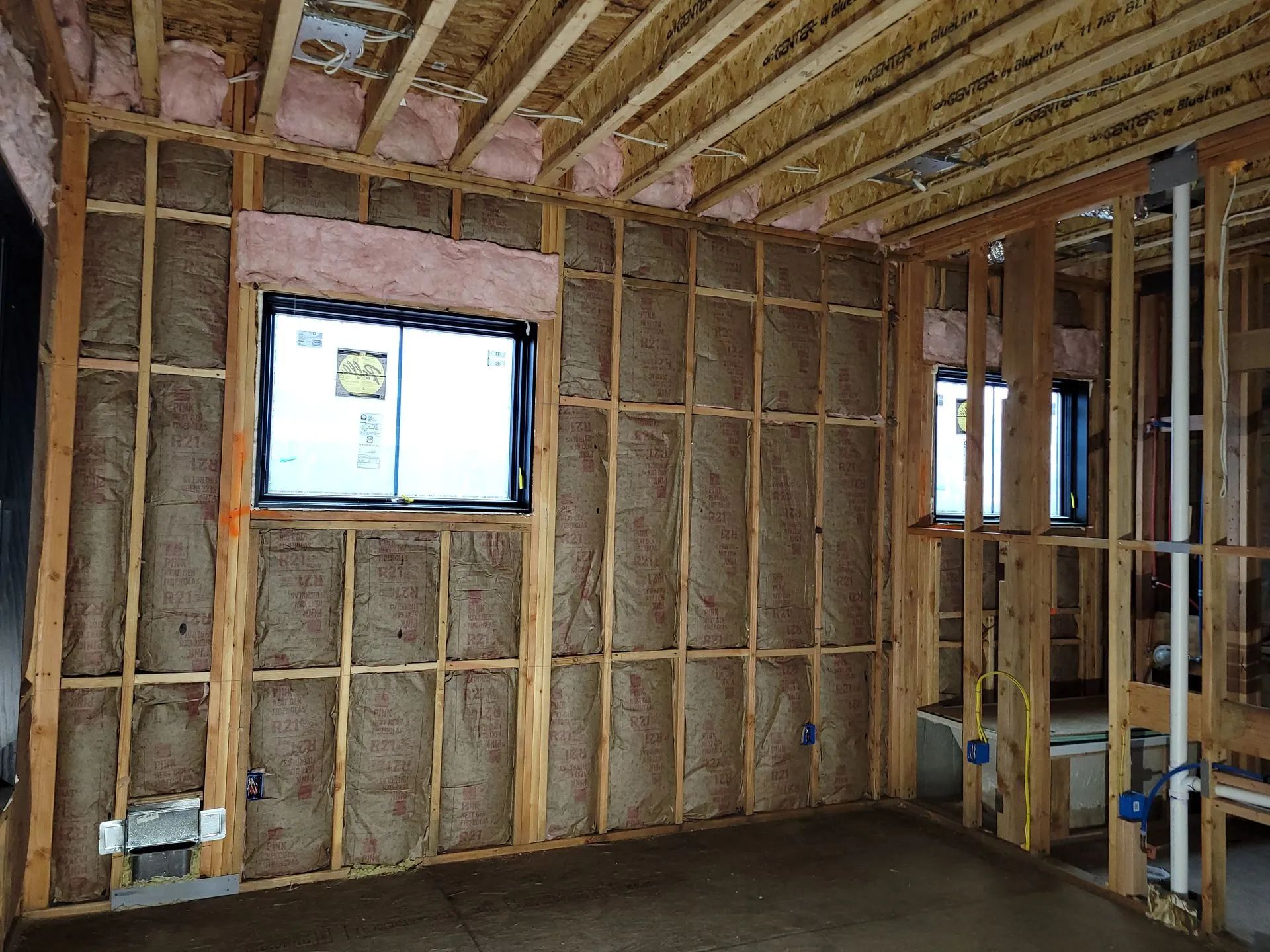
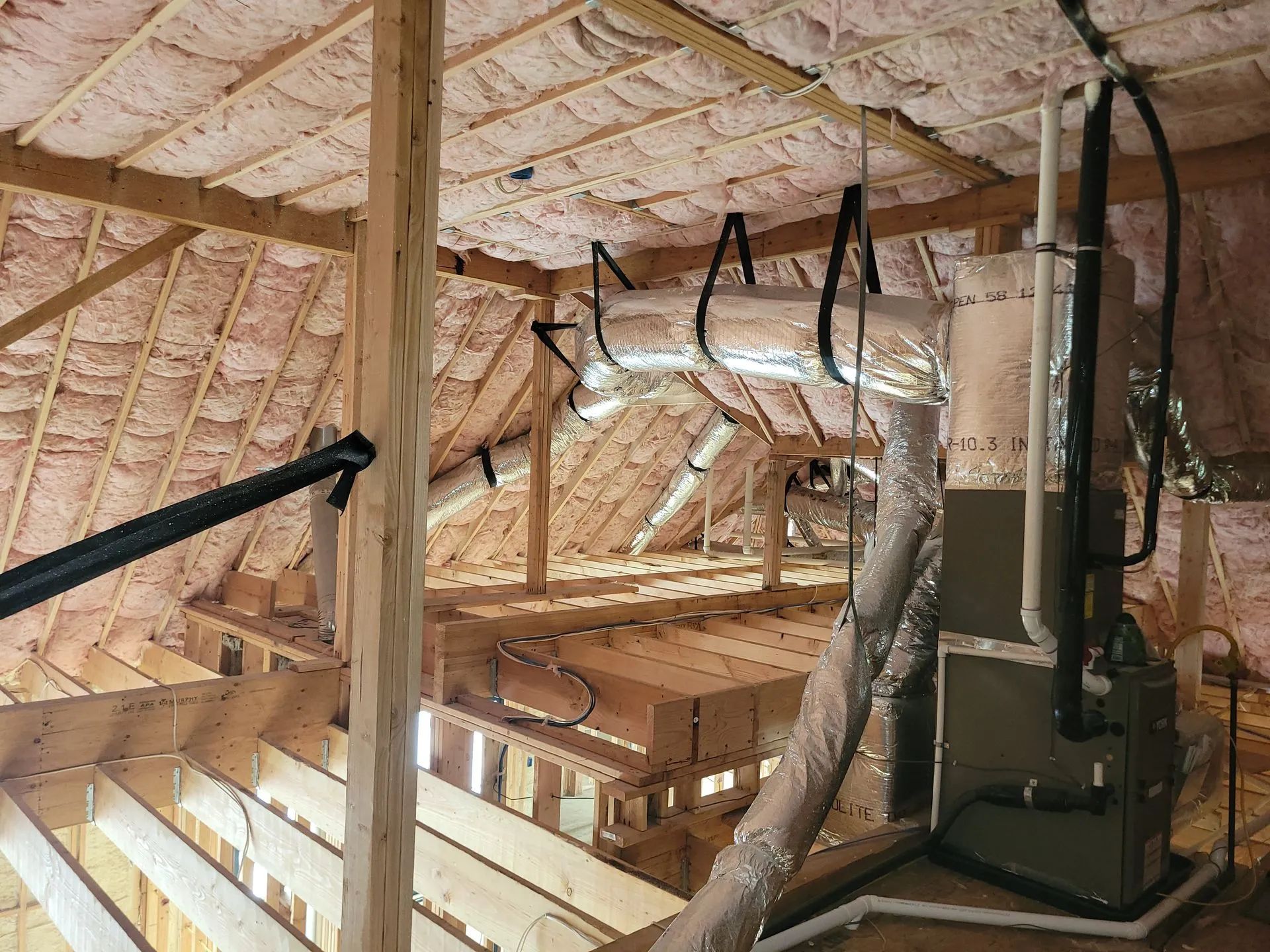
Choosing the right insulation material is critical. Common options include fiberglass, spray foam, rigid board, and cellulose. Each type offers unique advantages in thermal performance, acoustic control, moisture resistance, and installation flexibility. Businesses should consider local climate conditions, building layout, and long-term maintenance requirements when selecting materials.
Ensuring Professional Installation
Proper installation is as important as material selection. Gaps, compression, or improper sealing can significantly reduce insulation effectiveness. Hiring experienced insulation contractors ensures that materials are installed correctly, maximizing energy efficiency, comfort, and cost savings.
Maintaining Insulation
Regular inspections and maintenance help sustain insulation performance over time. Checking for signs of settling, moisture intrusion, or damage allows businesses to address issues promptly, preventing energy loss and structural problems. Routine maintenance ensures that the benefits of commercial insulation are preserved for decades.
Trusted Insulation Experts Deliver Lasting Commercial Performance
Commercial insulation is a strategic investment for businesses across New Jersey, delivering measurable benefits in energy efficiency, comfort, operational costs, sustainability, and building protection. By reducing heating and cooling demands, insulation lowers utility bills and extends the life of HVAC systems. It enhances indoor comfort, minimizes noise disruptions, and supports a healthy work environment, ultimately boosting employee productivity. Additionally, insulation protects structures from moisture-related damage and contributes to environmental sustainability by reducing energy consumption and carbon emissions.
For businesses seeking a reliable, experienced partner in insulation solutions, Top to Bottom Insulation
offers unmatched expertise. As a trusted insulation contractor based in Monmouth County, NJ, with 15
years of experience, the company specializes in delivering high-performance insulation that meets the unique needs of commercial buildings. Their team prioritizes precision, efficiency, and long-term results, ensuring clients benefit from cost savings, improved comfort, and enhanced operational performance. Businesses can confidently rely on Top to Bottom Insulation
for professional guidance, expert installation, and lasting value in every project.