
The Role of Air Sealing and Insulation in Building Efficiency
March 25, 2026
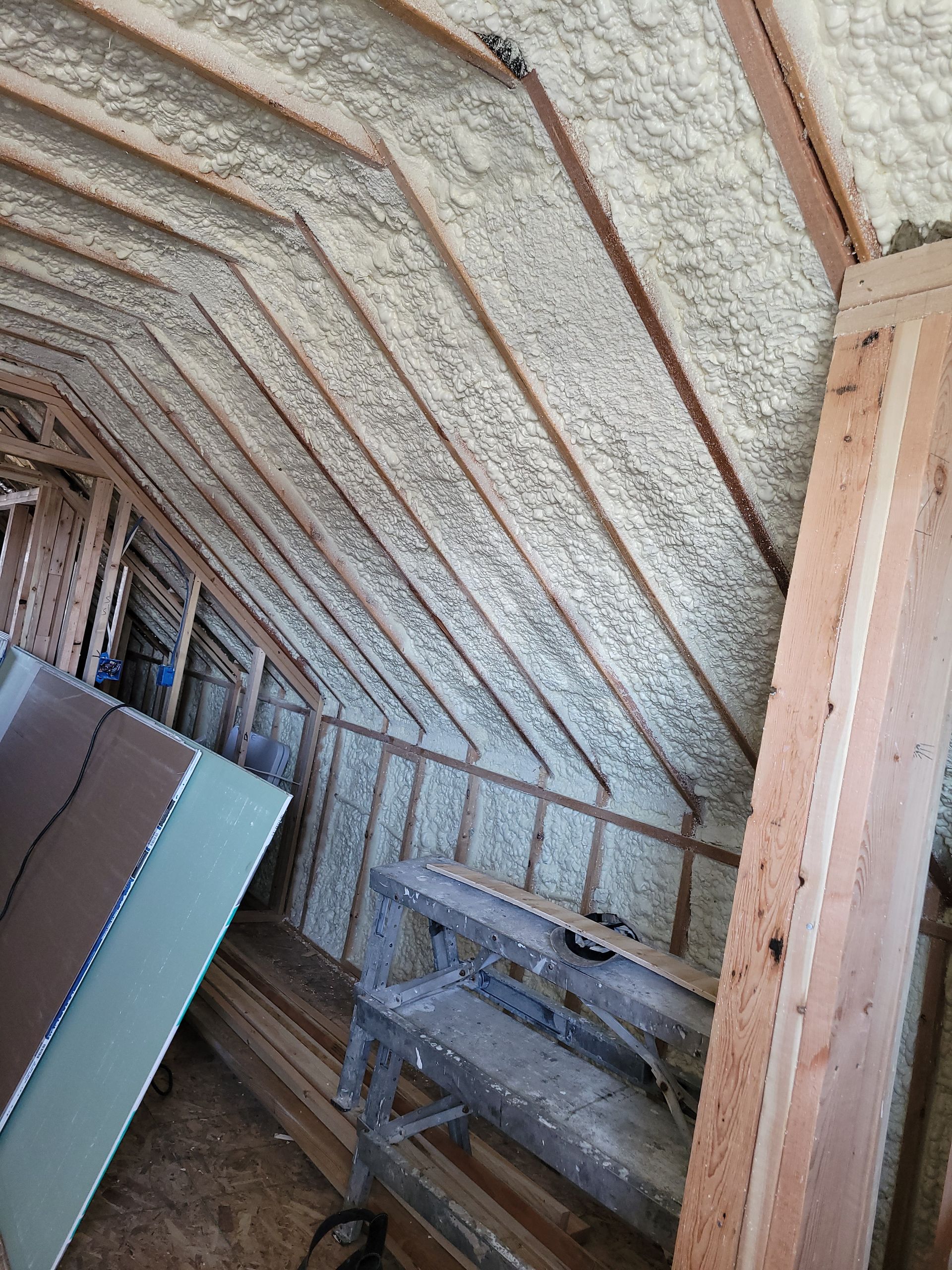
In today’s construction and home improvement landscape, energy efficiency has moved from being a desirable feature to a critical necessity. Homeowners, builders, and property managers are increasingly aware of the impact of energy consumption on utility costs, environmental sustainability, and occupant comfort. Two of the most essential strategies for enhancing energy efficiency are proper insulation and meticulous air sealing. While these terms are often discussed separately, their combined application produces far more significant results than either can achieve alone. Understanding how insulation and air sealing work together is crucial for anyone looking to optimize the performance of a building.
Insulation reduces heat transfer through walls, floors, and ceilings, while air sealing prevents unwanted airflow through gaps, cracks, and openings. When paired effectively, they create a tightly controlled indoor environment, minimizing drafts, heat loss, and energy waste. This synergy not only improves comfort but also reduces energy bills and enhances the longevity of HVAC systems. For builders, contractors, and homeowners alike, mastering these concepts is no longer optional—it is a cornerstone of responsible, efficient, and sustainable building practices.
Understanding Insulation: The First Line of Defense
What Insulation Does
Insulation acts as a barrier to heat flow, slowing the transfer of heat between the interior and exterior of a building. During winter, it helps retain warmth inside, while in summer, it prevents excessive heat from entering. The most common insulation materials include fiberglass, spray foam, cellulose, and rigid foam boards, each offering unique thermal properties. Properly installed insulation ensures consistent indoor temperatures and reduces the workload on heating and cooling systems.
Common Types of Insulation
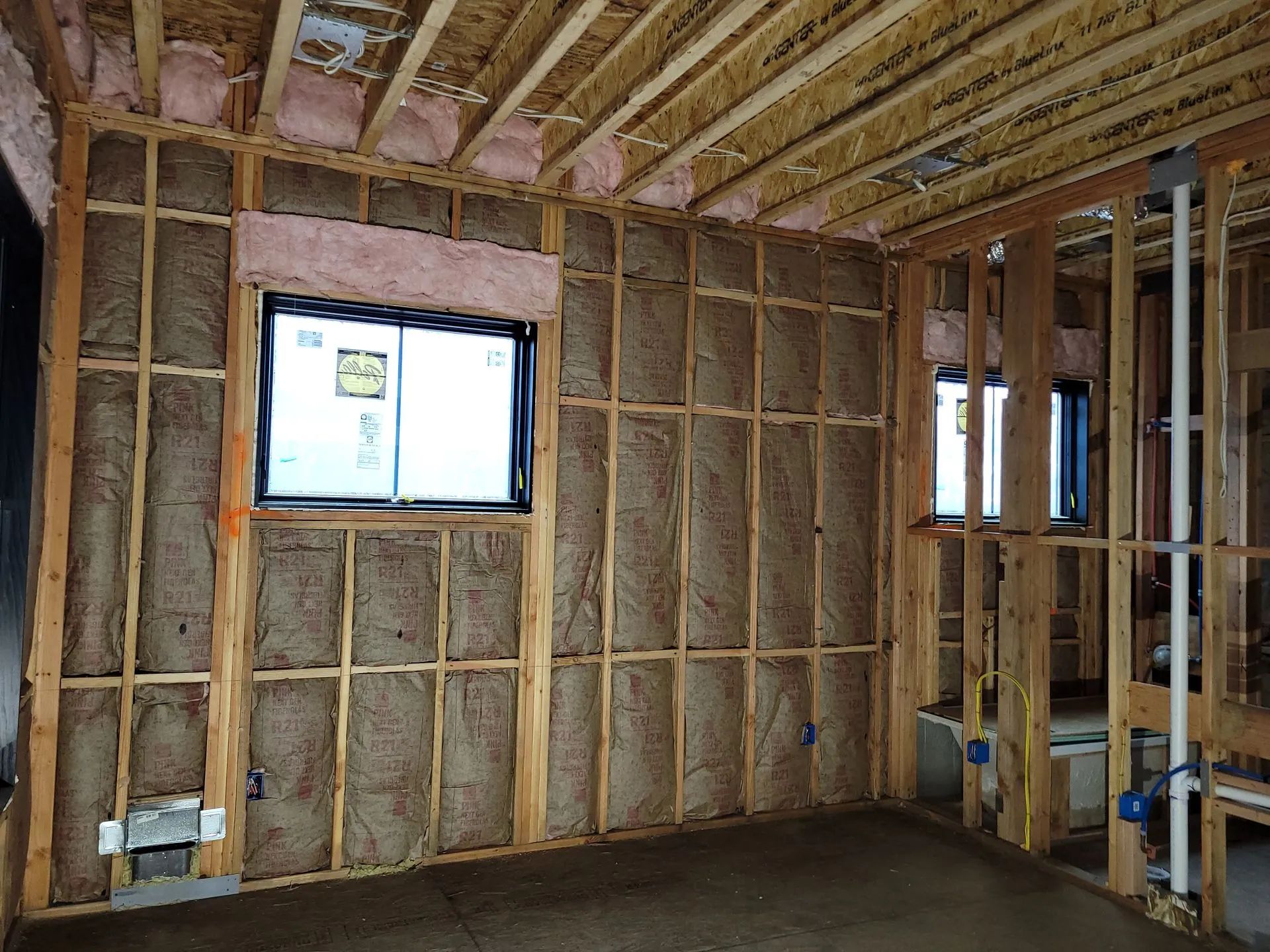
- Fiberglass Batt Insulation: Cost-effective and widely used, ideal for walls, attics, and floors.
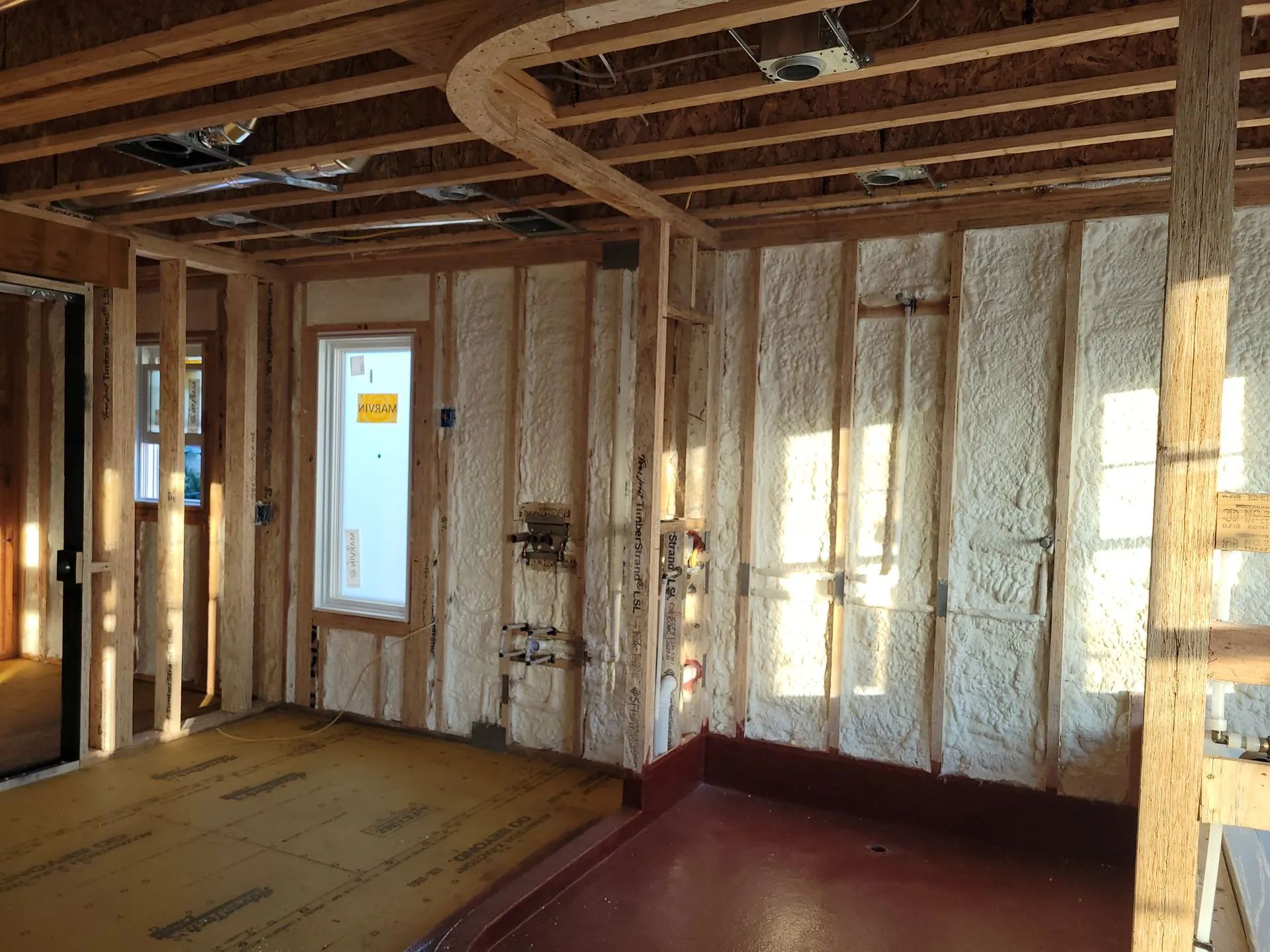
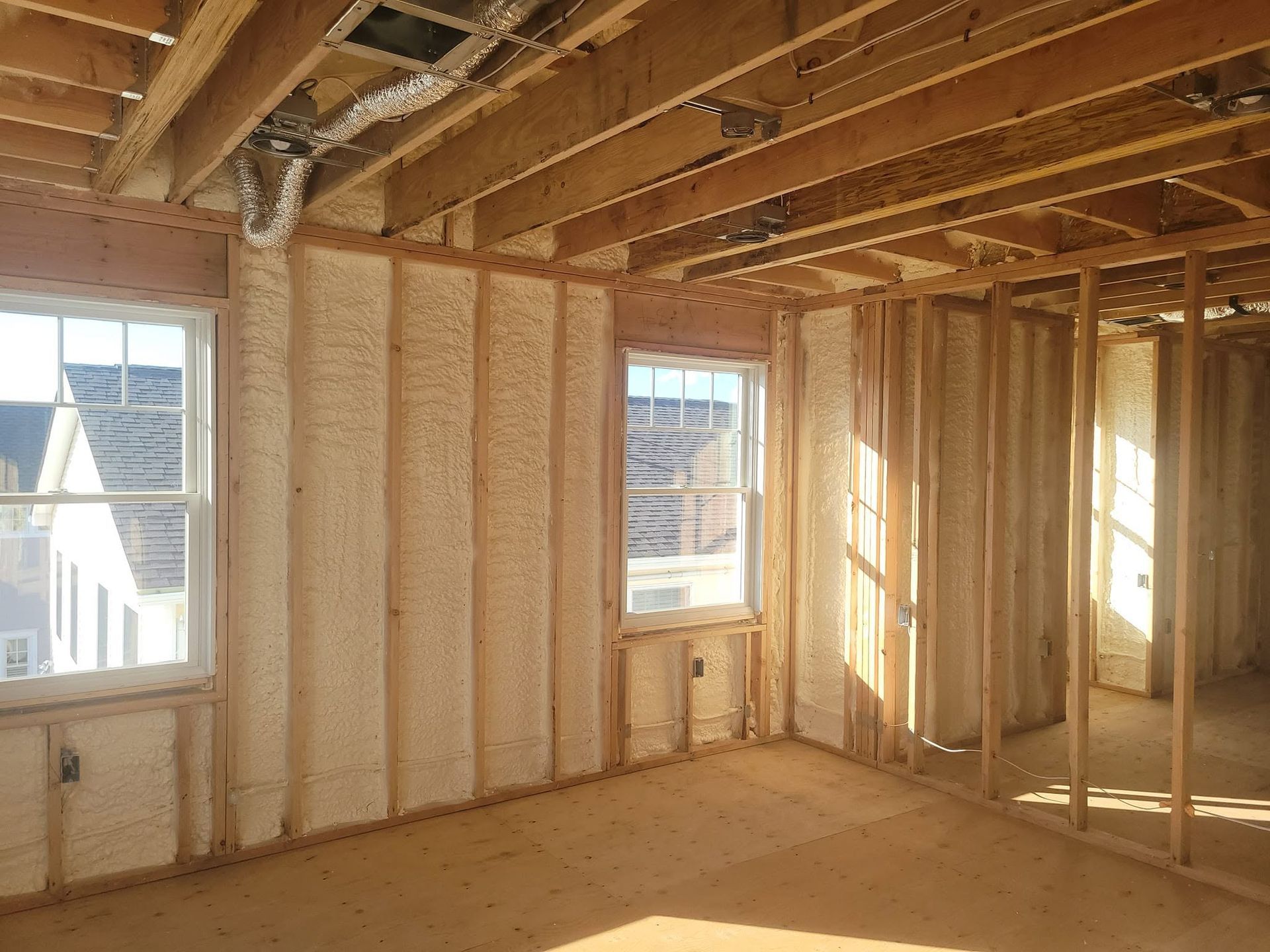
- Spray Foam Insulation: Expands to fill gaps, offering both insulation and air sealing benefits.
- Cellulose Insulation: Made from recycled paper, treated for fire resistance, commonly blown into wall cavities.
- Rigid Foam Panels: Provide high R-values and are often used in basements or exterior walls.
Each material has its advantages and limitations, but the choice often depends on the building design, climate, and budget. Understanding the strengths and weaknesses of insulation types is essential for achieving maximum efficiency.
The Importance of Correct Installation
Even the highest-quality insulation fails if installed incorrectly. Common issues include gaps, compression, or uneven distribution, which can create thermal bridges and reduce overall effectiveness. Professional installation ensures that insulation maintains its intended R-value and performs as designed.
Air Sealing: Eliminating Energy Leaks
What Air Sealing Involves
Air sealing is the process of closing gaps, cracks, and openings in the building envelope where air can escape or enter. Typical areas include around windows, doors, electrical outlets, plumbing penetrations, and attic hatches. Unsealed leaks can account for up to 30% of energy loss in a typical home, making air sealing one of the most cost-effective energy efficiency upgrades.
Techniques for Effective Air Sealing
- Caulking and Weatherstripping: Ideal for windows, doors, and small gaps.
- Spray Foam Sealants: Expands to fill irregular cavities and penetrations.
- Gasket Installation: Common for electrical outlets and recessed lighting fixtures.
- Attic and Basement Sealing: Often the largest sources of uncontrolled airflow.
Each method targets different types of leaks, but the principle remains the same: prevent unwanted air movement that undermines insulation performance.
Benefits Beyond Energy Savings
Air sealing enhances indoor air quality by reducing the entry of dust, pollen, and pollutants. It also reduces the likelihood of moisture-related problems, such as mold growth, by controlling condensation within walls and ceilings.
How Insulation and Air Sealing Work Together
The Synergistic Effect
Insulation and air sealing are most effective when implemented together. Insulation alone slows heat transfer, but if air can freely escape through gaps, much of the energy intended to be retained is lost. Conversely, air sealing without proper insulation may prevent drafts but will not stop heat conduction through walls and ceilings. Together, they create a controlled, energy-efficient envelope.
Real-World Scenario
Consider a home with well-installed fiberglass insulation but numerous gaps around windows and doors. Despite the insulation, drafts make rooms uncomfortable, and heating bills remain high. By air sealing these gaps, the insulation’s effectiveness is fully realized, reducing energy consumption and improving comfort. This example demonstrates that even small leaks can undermine the benefits of insulation if not addressed.
Calculating Energy Savings
Studies show that combining air sealing with insulation can reduce heating and cooling costs by 10–30%, depending on the home’s age, construction type, and local climate. Such savings translate to hundreds of dollars annually for a typical household, emphasizing the economic value of a comprehensive approach.
Common Challenges and Misconceptions
Overlooking Small Leaks
Many homeowners focus on obvious areas like doors and windows but neglect less visible gaps around plumbing, electrical penetrations, and attic hatches. Even minor leaks in these areas can compromise efficiency significantly. Professional assessment is often needed to identify all critical leakage points.
Assuming More Insulation Alone Solves Problems
Adding more insulation without addressing air leaks can give a false sense of security. If air continues to bypass the insulation, energy loss persists. The key is a balanced approach that combines sufficient insulation with strategic air sealing.
DIY Pitfalls
DIY insulation and air sealing may seem cost-effective, but improper materials or techniques can reduce effectiveness or create moisture problems. Mistakes such as compressing batts, leaving gaps, or using incorrect sealants can negate potential energy savings.
Climate-Specific Considerations
Different climates require different insulation and air sealing strategies. In humid regions, controlling moisture is critical to prevent mold growth. In colder climates, preventing heat loss through walls and attics is paramount. Professionals can tailor solutions to local conditions for optimal performance.
Best Practices for Maximizing Efficiency
Conducting an Energy Audit
A professional energy audit identifies areas of heat loss, drafts, and insulation deficiencies. Tools like blower door tests and infrared cameras reveal hidden leaks and thermal bridges that are not visible to the naked eye. This data-driven approach ensures targeted interventions.
Prioritizing Key Areas
Focus first on areas with the highest potential for energy loss: attics, basements, crawlspaces, windows, and exterior doors. Addressing these critical points often yields the most significant impact on energy efficiency.
Choosing the Right Materials
Select insulation and sealants appropriate for the building type and climate. For example, closed-cell spray foam offers both insulation and air sealing benefits, making it ideal for irregular spaces. Fiberglass remains effective for straightforward wall cavities but requires separate air sealing measures.
Regular Maintenance
Energy efficiency is not a one-time project. Inspecting and maintaining insulation, weatherstripping, and sealants ensures continued performance. Over time, materials may settle, degrade, or shift, requiring adjustments to maintain effectiveness.
Additional Benefits of Integrated Air Sealing and Insulation
Enhanced Comfort
A well-insulated, air-sealed home maintains consistent indoor temperatures, eliminating cold spots and drafts. This improves occupant comfort and reduces reliance on heating and cooling systems.
Reduced Environmental Impact
Lower energy consumption means fewer greenhouse gas emissions. Investing in insulation and air sealing contributes to environmental sustainability, aligning with modern building codes and energy-efficiency standards.
Increased Property Value
Energy-efficient homes are increasingly attractive to buyers. Effective insulation and air sealing can enhance marketability and justify higher resale values due to lower operating costs and improved comfort.
Protection Against Moisture and Pests
Air sealing reduces the infiltration of water vapor and pests into the building envelope. This prevents mold, mildew, and structural damage, extending the lifespan of the property and protecting occupant health.
Overcoming Implementation Challenges
Identifying Hidden Issues
Older homes often have hidden gaps and outdated insulation. Infrared scanning and professional inspections are critical for uncovering problem areas. Without proper identification, energy upgrades may fail to achieve desired results.
Balancing Cost and Performance
While spray foam and high-end insulation offer superior performance, they come at a higher cost. Evaluating long-term savings versus initial investment helps homeowners and builders make informed decisions. Often, combining moderate-cost insulation with strategic air sealing provides excellent value.
Working With Professionals
Partnering with experienced insulation contractors ensures correct installation, material selection, and performance verification. Professionals bring expertise in building science, local climate considerations, and code compliance, resulting in higher efficiency and fewer complications.
Trusted Contractors Delivering Long-Term Building Comfort
Air sealing and insulation are foundational components of building efficiency. When implemented together, they dramatically improve indoor comfort, reduce energy consumption, and extend the life of HVAC systems. Insulation slows heat transfer, while air sealing prevents unwanted drafts and leaks. By prioritizing both insulation and air sealing, energy loss can be minimized, operating costs reduced, and building longevity improved. For those seeking professional expertise in insulation and air sealing, Top to Bottom Insulation provides reliable solutions backed by 15 years of experience. As a trusted insulation contractor in Monmouth County, NJ, the company specializes in creating energy-efficient building envelopes that maximize comfort and minimize costs.
Top to Bottom Insulation emphasizes precision, high-quality materials, and meticulous installation practices to ensure clients receive the full benefits of insulation and air sealing. With a commitment to transparency, professionalism, and customer satisfaction, Top to Bottom Insulation has established itself as a trusted partner for homeowners and builders seeking long-term efficiency and comfort. Partnering with experienced professionals ensures that insulation and air sealing solutions are effective, durable, and tailored to each property’s unique needs, delivering measurable energy savings and improved indoor environments for years to come.