
Can New Insulation Be Installed Over Old Insulation?
November 14, 2026
Quick Answer: Often yes, but only when the old insulation is dry, clean, free of mold and pests, and not badly compressed. Seal the air leaks in the attic floor first, keep the soffit vents clear, and use blown in material or unfaced batts for the new layer so moisture is not trapped between facings. If the old layer is wet, stained, matted, contaminated, or smells musty, it should be removed before anything new goes down. A quick inspection of what is already there decides which path is right.
You pull down the attic stairs in your Manalapan split level and find insulation that was installed before you bought the house. It is gray and flat, with a few dark streaks near the roof edge. There is also a thin dusting of something that looks like old dirt on the top. You want a warmer upstairs and lower energy use, and the obvious idea is to pour a fresh layer right on top. It saves a lot of work, so why not?
Sometimes that is exactly the right move. Other times, it hides a problem that gets worse under the new layer. The difference comes down to what condition the old insulation is in, and what the air and moisture are doing around it. This guide walks through how a contractor evaluates an existing attic, the situations where adding over old material works well, and the signs that mean the old insulation has to come out first.
Why Adding Over Old Insulation Is Popular
Most older New Jersey homes have some insulation already, just not enough. A typical retrofit starts with a few inches of existing material, and the goal is to bring the total depth up to a recommended level for the climate. For homes in colder climate zones, the Department of Energy lists attic targets that run as high as R 49 for homes that already have a few inches of insulation in place. Layering new insulation on top is the efficient way to reach that without a full tear out.
It also makes practical sense. Old insulation that is still dry and intact keeps doing its small share of the work. Leaving it in place avoids disturbing dust, fibers, and whatever has settled in the attic over the decades. The key phrase is still dry and intact, because that condition decides everything else.
The Inspection That Comes Before Any Decision
Before a crew adds a single bag of material, they look at what is already up there. You can do a rough version of this inspection yourself with a flashlight from the hatch, without stepping on the joists or pulling anything apart.
Moisture
Press a gloved hand lightly on the surface. Insulation that feels damp, clumped, or cold and heavy has taken on water. Look for dark water stains on the roof deck above, rusty nail tips, and stained patches around the chimney and vent pipes. Moisture is the single biggest reason old insulation cannot simply be covered.
Mold Or Mildew
Dark spots on the underside of the roof sheathing or the surface of the insulation may be mold. In a humid shore climate, this shows up most often near the eaves and around bathroom fan ducts that were never vented outside. Mold should be addressed at the source before anything is placed over it.
Pests
Look for droppings, nests, tunnels through the material, and flattened trails. Rodents and squirrels nest in insulation, and the material they contaminate does not recover.
Compression And Matting
Insulation that has been walked on, stored on, or flattened by years of weight is thinner than it was meant to be. Compressed insulation does not deliver its full rated R value, so the depth you measure overstates how much it is helping.
Dust And Debris
A light layer of dust is normal. A thick layer of dirt, soot, or construction debris suggests air has been moving through the insulation for years, which usually points to leaks below.
Type Of Material
Knowing whether you have fiberglass, cellulose, or something else guides the plan. If the material is unfamiliar, like small pebble shaped granules, leave it undisturbed and have a professional identify it before anything else happens in that attic.
When Adding Over Old Insulation Works Well
If the inspection comes back clean, layering new insulation on top is a sound approach. A few conditions make it work best.
The Old Layer Is Dry, Clean, And Evenly Distributed
Even coverage across the attic floor means the new layer starts from a stable base.
The Depth Is Short, Not The Quality
If the problem is simply that there are four inches where there should be many more, adding material is the logical fix.
Air Sealing Is Done First
This step is easy to skip and hard to fix later. If the attic floor has gaps around lights, stacks, and wall tops, warm air will keep moving upward through old and new insulation alike. Sealing those openings blocks the airflow between the attic and the rooms below. Insulation slows heat, but sealing stops the air carrying it.
The Right Product Goes On Top
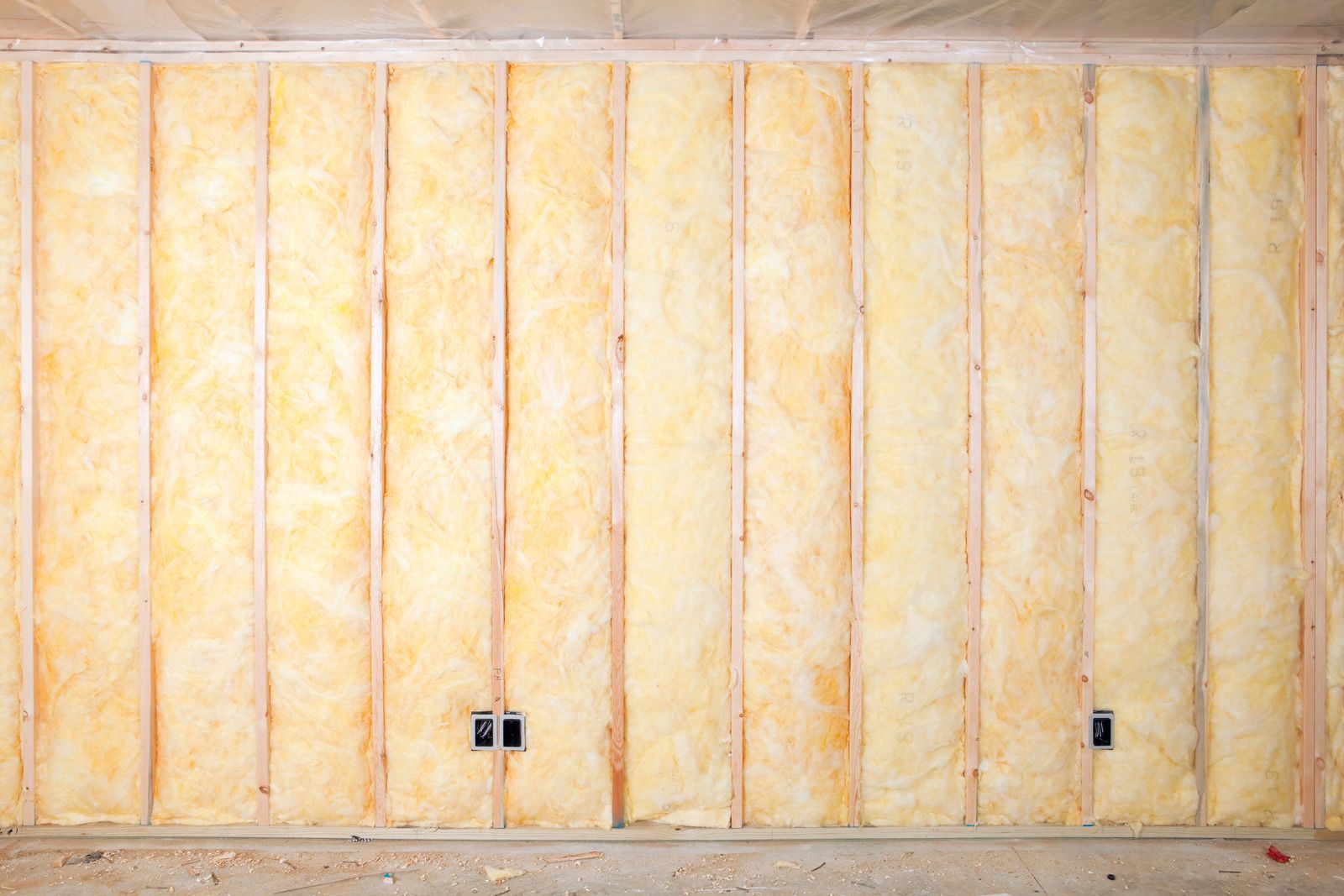
Blown-in cellulose or fiberglass is the usual recommendation for most attics, because it settles evenly over the old layer and fills the gaps between and around joists. If batts are used, they should generally be unfaced and laid across the joists, not along them, so they cover the tops of the joists and reduce heat loss through the framing itself.
Tip: Mark the depth you want with a few rulers or wooden depth markers stapled to the joists or rafters before the work starts. After installation, you can see at a glance that the final layer reaches the target everywhere, not just near the hatch.
The Facing Question
Many batts have a paper or foil facing that acts as a vapor retarder. It slows moisture moving through the material, and it is meant to be placed according to the manufacturer's specifications. This detail matters a great deal when you stack layers.
If the existing batts are faced, the new batts on top should be unfaced. Two facings on top of each other can trap moisture between them. Blown in material over faced batts avoids that problem, because loose fill has no facing at all. If the old facing is torn, stained, or hanging, that is one more reason to evaluate the layer before covering it.
Moisture is
Controlling
Tip: If one room in your house always feels damp or smells musty, especially a bedroom over a garage, a finished basement, or a space under a low attic, treat it as a signal rather than a quirk. That is usually a spot where warm, moist air is meeting a cold, poorly insulated surface and condensing. Having that specific area assessed for air sealing and the right insulation often solves the smell, the dampness, and the comfort of the room all at once.
Keep the Roof Able to Breathe
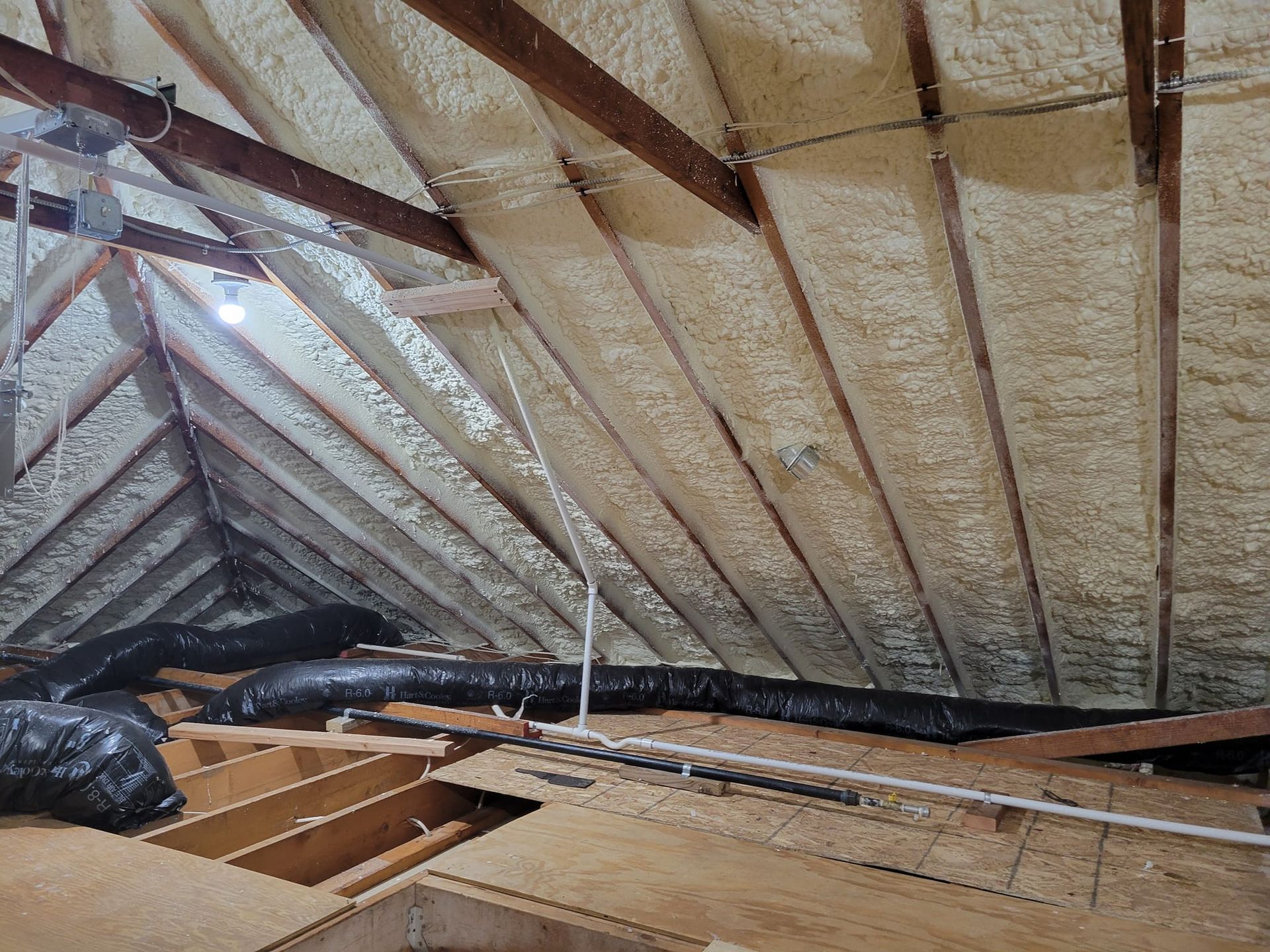
An attic needs a path for outside air to enter at the soffits and leave near the ridge. This airflow keeps the roof deck cool in summer and dry in winter. When you add depth to an attic, the new material can easily bury the openings at the eaves, particularly with loose fill that flows into every low spot.
Baffles solve this. They are rigid channels installed at the eave that hold the insulation back and keep a clear lane for air to move up under the roof deck. Adding insulation without them risks a damp attic, which is the exact problem you were trying to avoid. In a coastal setting, with humid summers and salt laden air, ventilation is one of the first things worth checking before the new layer goes down.
Heat Sources and Fixtures
Some parts of the attic need clearance. Flues from furnaces and water heaters, chimneys, and older recessed lights that are not rated for contact with insulation get hot enough to be a concern. New insulation should be kept back from them according to the manufacturer's instructions, and barriers or covers are used where needed. This is one of the places where a trained crew earns its keep, because the work involves building the right boundary around each one..
Warning: Never bury a vent pipe, a bath fan, or an older recessed light under new insulation. Bath fans must vent outdoors, not into the attic, and any fixture that is not rated for insulation contact needs a proper cover before the material goes down.
Signs the Old Insulation Has to Come Out
There are clear situations where adding on top is the wrong plan. In these cases, removal comes first.
Water Damage Or Active Leaks
Wet insulation loses effectiveness and encourages mold growth. Repair leaks, remove damaged material, and dry the affected area before installing replacements.
Visible Mold
Mold affecting insulation or surrounding wood requires proper remediation before new insulation is installed to prevent continued contamination.
Pest Contamination
Insulation contaminated by droppings, urine, or nesting materials must be removed. Seal entry points and clean the affected area thoroughly.
Heavy Matting Or Collapse
Flattened insulation loses much of its insulating capacity and occupies space needed for effective new insulation, making replacement necessary.
Fire, Smoke, Or Chemical Damage
Insulation affected by fire, smoke, or chemical contamination requires removal and appropriate cleaning before replacement materials are installed.
Unknown Or Suspect Material
Potentially hazardous insulation should be identified and handled by qualified professionals. Homeowners should avoid disturbing materials until their composition is confirmed.
Professional insulation removal exists for exactly these cases, and removal, mold remediation, or air sealing beforehand can make an attic project take a little longer than a single day.
What a Good Process Looks Like
Whether the old insulation stays or goes, a well run attic project follows the same sequence.
First comes the assessment, which looks at existing depth and coverage, the condition of the material, air leaks, moisture signs, and ventilation. Second, any removal, moisture repair, or pest cleanup is handled. Third, the attic floor is air sealed. Fourth, baffles are placed at the eaves and clearances are built around heat sources. Fifth, the new insulation goes in to an even, measured depth. Finally, the crew does an inspection and cleanup.
This order is what makes the difference between an attic that merely has more insulation and one that stays dry, quiet, and comfortable through a January wind off the ocean.
Frequently Asked Questions
Can I put new insulation directly on top of old insulation?
Often you can, if the old layer is dry, clean, and free of mold and pests. The attic floor should be air sealed first, and the vents at the eaves should stay clear.
Should the new batts have a paper facing?
Generally no. When adding batts over existing batts, the new layer is usually unfaced so that moisture is not trapped between two facings. Blown in material has no facing and avoids the issue.
Does old compressed insulation still help?
It helps somewhat, but not as much as its depth suggests. Compressed insulation does not deliver its full rated R value, so it is better to count it as a partial base and plan the new layer accordingly.
What if I find mold or droppings under the old insulation?
Stop and address the cause first. Mold is a sign of moisture, and droppings are a sign of pest entry. The affected material is removed, the source is repaired, and new insulation goes in afterward.
Do I need to air seal before adding insulation?
Yes, it is the best order of work. Sealing the gaps in the attic floor blocks the airflow between the attic and the rooms below, and it keeps the new layer working as rated.
How do I know if my old insulation is safe to cover?
Look for dryness, even coverage, and no signs of mold, pests, or water stains. If anything looks off, or if you cannot identify the material, a professional inspection gives you a clear answer before any work starts.
Inspect the Old Layer Before Adding New
Adding new insulation over old can be an efficient way to reach better comfort, but only when the existing layer is in good shape. Dry and clean material gives you a base to build on, while wet, moldy, contaminated, or unidentified material means starting fresh. In both cases, air sealing and clear soffit vents decide whether the finished attic performs the way you expect, season after season and storm after storm.
For homeowners in Monmouth County, NJ, Top to Bottom Insulation
brings 15
years of hands-on experience to this exact decision. The crew checks moisture, mold, pest damage, compression, and air leaks, then explains plainly whether the old layer can stay or needs to come out. That honest assessment helps you spend money where it counts, and it leaves you with an attic that stays dry, quiet, and comfortable through every cold January wind.